
Executive summary
Physical pain represents one of humanity’s universal experiences of suffering. Despite this, some of its most severe and preventable forms receive surprisingly little attention. This is the Happier Lives Institute’s third cause area exploration report about pain (previous ones being Sharma et al., 2020; Dupret et al., 2023). Instead of a wide focus, here we concentrate on three sources of pain. This report identifies where philanthropic resources could most effectively reduce pain-related suffering, evaluates potential interventions, and highlights what we believe are the strongest current opportunities for impact. As a result, we plan to invest more time evaluating palliative care in future work.
The problems
This report focuses on three major sources of pain: lack of access to palliative care, headache disorders, and musculoskeletal pain. The pain associated with these problems is either commonplace and bearable, rare and terrible, or in the case of palliative care, both. In all cases, pain remains essentially untreated.
The harms of untreated pain: commonplace, terrible, or both.
Pain requiring palliative care is both common and terrible. Severe end-of-life pain precedes 41% of all deaths worldwide (Knaul et al., 2025). Where palliative services are unavailable, almost 90% of patients experience substantial, frequently severe, pain (Cleeland et al., 1998; Harding et al., 2011).
Cluster headaches are rare but terribly painful: experienced by about 0.1% of people (San-Juan et al., 2024), yet many describe them as the worst pain of their lives (9.7 on a 0 to 10 scale; Burish et al., 2020). Between 36-64% of sufferers report suicidal thoughts during attacks (Lee et al., 2019).
Painful conditions that lack clear cures, such as back pain and migraines, are among the largest drivers of years lived with disability worldwide. Musculoskeletal pain, especially low back pain, is the leading cause of disability globally. Back and neck pain are estimated to reduce wellbeing by 0.2-1.2 points on a 0-10 scale. Migraines alone affects 15% of the world’s population and are estimated to reduce wellbeing by 0.2 points on a 0-10 scale.
Pain: A highly neglected problem by governments, philanthropy, and research
Duthey et al. (2014) estimates that only about 7.5% of people worldwide receive adequate treatment for serious pain. Bridging this treatment gap demands a mix of research and scaling existing treatments. Yet we observe only a few organisations – which tend to only have low levels of funding – focusing on addressing the problems below.
The neglect of pain as a coherent project to improve people’s lives is as much represented by what we can say as what we can’t: There is no global burden of pain (see Dupret et al., 2023, for more discussion), nor international data on spending on pains (see Section 4), so we can’t even make the same comparisons we can make comparing spending on physical and mental health (e.g., see Bloom’s Global Mental Health report).
Palliative care: In many low- and middle-income countries (LMICs), access to sufficient palliative care is limited. Only 48% of low-income countries had any government funding for palliative care, 54% of lower-middle-income countries, and 65% of upper-middle-income countries compared to 91% in high-income countries (HICs; The WHO Global Atlas of Palliative Care, 2020). The palliative care that does exist is often lacking a critical component of serious pain relief: morphine. Western countries contain ~17% of the world’s population but consume 85% of the world’s morphine supply (INCB, 2023). States report general availability of oral morphine in >50% pharmacies in only 13% of low-income countries, 17% of lower-middle-income countries, and 40% of upper-middle-income countries compared to 80% in HICs (The WHO Global Atlas of Palliative Care, 2020). Need met in LMICs remains far below medically necessary levels (Knaul et al., 2018). Closing the global morphine shortfall is estimated to cost roughly $145 million per year (Knaul et al., 2018), about 0.9% of the $16,514 million in health-directed international assistance targeting HIV/AIDS in 2023 (calculated with IHME’s 2025 DAH data). When it comes to the charities we found, their annual revenue combined only comes to an estimated $6 million.
Headache disorders: Experts estimate that only 13% of migraine sufferers in low-income countries are diagnosed (WHO, 2011). We could not easily find figures for philanthropic funding focused on headache-based disorders in LMICs. We imagine this is small to non-existent. The funding focused on cluster headaches in HICs is also very small, with an estimated lower bound of $2.7 million.
Neck and back pain: Africa has around 12 times fewer physiotherapists per capita than the global average, and roughly 45 times fewer than Europe (World Physiotherapy, 2024). The only international NGO we identified with a clear mandate to improve musculoskeletal health in LMICs was World Spine Care. Their revenue in 2024 was only $0.28 million.
Focused pain relief remains a small and overlooked philanthropic field despite its enormous burden. The largest charity we found focused on this issue had a budget of around $3.5 million annually, with others at $1 million. We think this indicates significant neglectedness and potential for outsized donor impact. We estimate total funding focused on reducing pain-related suffering outside HICs (across palliative care, headache-based disorders, and musculoskeletal pain) is in the single-digit millions or less. This contrasts sharply with the $16,514 million in health-directed international assistance targeting HIV/AIDS in 2023, or the $6,380 million targeting Malaria (calculated with IHME’s 2025 DAH data), which are themselves considered neglected diseases.
Emerging solutions to the biggest unsolved problems in pain
There are effective, affordable, and scalable ways to reduce some of the world’s most intense and common forms of suffering. However, the research here is still very uncertain and more work is needed for any charity to meet our recommended charity status. Of the three areas, we think palliative care is the most promising and the one we plan to do further research in.
1. Palliative care (end-of-life pain)
We found that improving access to palliative care is the most likely to be an actionable and cost-effective opportunity to reduce extreme pain. Rather than treating underlying disease, it focuses on relieving suffering, primarily through provision opioids like morphine. Morphine is inexpensive and can almost completely control even severe cancer- and HIV-related pain. Organisations such as Pallium India, Hospice Africa Uganda, and Douleurs Sans Frontières work to fix the barriers to access – restrictive regulations, poor supply chains, and limited clinician training. Pallium India’s expansion into another state in India could generate 16–108 WELLBYs per $1,000 donated, according to our back-of-the-envelope calculation (BOTEC). Palliative care charities in LMICs that increase general access could be highly cost-effective, so we plan on conducting a more in-depth report on them in order to determine if they can reach our recommended charity status.
2. Headache disorders (migraines and cluster headaches)
Cluster headaches. Very little research targets cluster headache treatments, likely because the affected population is small, leaving many patients to rely on anecdotal guidance online. ClusterFree is a small advocacy and research group working to identify the best treatments for cluster headaches. More research regarding cluster headaches is needed to establish what are the best paths for impact in this area. In this report, we discuss the uncertainties and limitations of advocacy.
Migraines: Simple painkillers (ibuprofen, paracetamol) can stop 1 in 2 migraines (Kirthi et al., 2013; Rabbie et al., 2013), but we know of no organisation focussing on expanding access in LMICs. We are not planning on pursuing this area in the future since NSAIDs are wide-spread and cheap, and it appears hard to make migraine diagnoses. But given the massive pain burden and simple solutions we could be convinced by more research, particularly on the wellbeing benefits of treating migraines in LMICs on wellbeing and more broadly on the prospects of providing greater access to migraine treatment in LMICs.
3. Musculoskeletal pain (back and neck pain)
Surprisingly few organisations focus on scalable solutions in LMICs. Because this pain is often chronic, long-term use of painkillers risks dependence and loss of efficacy, so we examined non-drug alternatives. Currently, we do not have sufficient data to establish a recommendation in this area. We think further research into the delivery of these non-drug alternatives seems like a promising area of research given the immense scale of the problem.
World Spine Care treats underlying causes through physiotherapy, but the need for skilled labour and repeated visits makes costs relatively high ($44–63 per patient), yielding roughly 15–21 WELLBYs per $1,000 donated according to our BOTEC. Some of World Spine Care’s work involves delivering this care in underserved countries (e.g., Botswana, Ghana, India, Dominican Republic), operating clinics where trained providers are scarce, and building local capacity through training. Currently, this is not as cost-effective as our recommended charities. However, we are interested in further research into the possibility that this model can be scaled using lay practitioners, like has been done with psychotherapy.
A second approach, psychotherapy for chronic pain, aims to help patients live better with persistent pain; our preliminary BOTEC estimates 16–43 WELLBYs created per $1,000 donated. We did not identify organisations currently delivering psychotherapy-for-pain programs in LMICs, so we did not explore this further.
Notes and acknowledgements
Author note: Ben Stewart, Samuel Dupret, and Joel McGuire contributed to the conceptualization, investigation, analysis, data curation, and writing of the project. Michael Plant contributed to the conceptualisation, supervision, and writing.
The views expressed in this document are those of HLI staff and do not necessarily reflect the perspectives of external reviewers.
Reviewer note: We thank Jonathan Leighton from OPIS for feedback on this report.
Charity information note: We thank the staff of Pallium, Hospice Africa Uganda, Douleurs Sans Frontières, World Spine Care, and ClusterFree for answering our many questions.
AI note: We used LLMs to a limited extent to help with the wording of some paragraphs and to help expedite the graph coding process.
Introduction: The problem of pain
“Of pain, you could wish only one thing: that it should stop. Nothing in the world was so bad as physical pain. In the face of pain, there are no heroes.” – George Orwell, 1984
|
Takeaways from this section:
|
What is pain?
The International Association for the Study of Pain defines pain as “An unpleasant sensory and emotional experience associated with, or resembling that associated with, actual or potential tissue damage”Crucially, pain is not just the sensory detection of physical harm; it also needs to include a negative or unpleasant emotion. Plenty of other things can affect people’s experience of pain, irrespective of the physical harm inflicted. For instance, civilians and soldiers experience similar wounds differently (Beecher, 1959). Attention also affects our experience of pain; more attention can increase pain, while less attention decreases pain (Wiech et al., 2008). Thus, distraction from the source of damage can reduce the experience of pain (Bascour-Sandoval et al., 2019; Gupta et al., 2018). Expectations of pain also play a role (Bingel et al., 2011); positive expectations can reduce pain (placebo effect) while negative experiences can increase pain (nocebo effect). Perceptions that we are in control of the pain reduces the pain experience (Wiech et al., 2006). Being in a good or bad mood can change how unpleasant pain is (Bushnell et al., 2013). Catastrophizing, that is, exaggerated negative appraisals and beliefs, can exacerbate pain (Covic et al., 2003; Sullivan et al., 2001).
Why focus on pain?
We focus on pain, because it is a profound problem with many potential solutions that are underfunded and under researched.
- Pain is straightforwardly bad for wellbeing. Sometimes, pain is a helpful signal to avoid harm, but the cases we consider are not like this.
- Painful conditions of all types are largely untreated outside in LMICs. For example, Duthey et al. (2014) estimate that only 7.5% of people receive adequate treatment worldwide.
- We found surprisingly few charities focusing on pain alleviation. The largest, Douleur Sans Frontières, has an annual budget of only about $3.5 million, while the others all operate on budgets of around $1 million or less.
- Many of the greatest potential sources of pain can be affordably and effectively ameliorated.
Types of pain
There are different dimensions of pain, and those we consider in this report all satisfy two of the three following criteria: (1) widespread, (2) extreme or (3) long-lasting.
Table 1: Cause areas and which dimensions of pain they satisfy.
|
Cause |
Widespread |
Extreme |
Long-lasting |
|
Palliative Care |
Yes |
Yes |
No |
|
Migraines |
Yes |
No |
Yes |
|
Cluster Headaches |
No |
Yes |
Yes |
|
Musculoskeletal pain |
Yes |
No |
Yes |
There are tricky philosophical questions about trading off between these three different dimensions of pain. There are also tricky empirical questions about measurement of pain and how pain scales are used. Addressing these problems are beyond the scope of this report.
We are somewhat able to sidestep some of these questions by relying on wellbeing impacts, rather than pain scales. Although note that, if you place a very high value on preventing extreme suffering over widespread or long-lasting suffering, then your priorities might change.
The impact of pain on wellbeing
At the Happier Lives Institute we evaluate the impact of interventions on wellbeing, using metrics like self-reported scales of life satisfaction on a 0-10 scale.
Ideally, we find a causal estimate of the impact of an intervention designed to reduce pain on the recipients’ wellbeing (see Section 3.2). However, this is not often available.
Sometimes, there might be studies that find the associated loss of wellbeing from a certain pain condition. In Figure 1, we show different conditions affect people’s life satisfaction, in terms of reductions on a 0-10 scale. The figure illustrates that while many chronic pain conditions have real but modest impacts on wellbeing, extreme pain is comparable to depression or anxiety, which are some of the states of life associated with the worst wellbeing.
Figure 1: Coefficients of impact on life satisfaction of different conditions (see Appendix A for more detail on the data).
However, wellbeing data for painful conditions is not always available. Another option is the conversion factor estimated by Dupret et al. (2023), which converts results on a 0-10 pain scale to a 0-10 wellbeing scale at a factor of 0.61. This is an average of two estimation methods: (1) converting the relationship between ‘extreme pain’ on the EQ-5D on life satisfaction, assuming it represents going from 0 to 10 on the pain scale, resulting at an exchange rate of 0.13 This is the average of the 0.13 to 1.09 range calculated by Dupret et al. (2023). Note that an error in Dupret et al. had this lower bound at 0.12, but this doesn’t significantly change the average of 0.61.; (2) in our meta-analysis psychology-based therapies for chronic pain “we find that these therapies reduce pain by 0.24 SDs and improve SWB (in negative affect and affective mental health measures combined) by 0.26 SDs. Hence, [...] a 1-unit decrease in pain represents a 1.09-unit decrease in negative affect and affective mental health measures”. This is the methodology we used to obtain the “cluster headache (conversion)” estimate and the “Not treating palliative pain” estimate in Figure 1, which are the conditions with the largest estimated effect (see Appendix A).
An issue here is that there might be some aspects of wellbeing losses that the pain scale doesn’t capture. Extreme (rather than low) pain might lead to extra losses such as unemployment or relationship breakdowns. Also, the pain scale might not be used linearly, clumping the worse conditions at the top of the scale. However, we think that some conditions may be unusually painful and underrepresented in surveys because they’re rare (like cluster headaches) or disabling or related to a disabling condition (pain from advanced HIV/AIDS and cancer). For those conditions, these estimates might well be a lower boundOne of the primary problems with understanding the relationship between pain and wellbeing is that psychosocial factors related to lower wellbeing predict progression to disabling pain and pain outcomes. These are factors like depression and anxiety, pain catastrophising, fear-avoidance, low self-efficacy, physically demanding work, and lower educational attainment (Gatchel et al., 2007; Bartys et al., 2017; Wertli et al., 2014a; Wertli et al., 2014b)..
The largest source of extreme pain (as proxied by years of serious health-related suffering; see box below) comes from HIV/AIDs and cancer (Frasca et al., 2024; Knaul et al., 2025). Given that a large share of this pain is experienced near the end of life (see Knaul et al., 2018, p. 19), this is one of the reasons why we prioritized investigating improved palliative care.
|
Serious health-related suffering (SHS) is a metric “defined as health-related suffering that becomes serious when it cannot be relieved without professional intervention and when it compromises physical, social, spiritual, or emotional functioning” (Knaul et al., 2025). It is designed for quantifying the need for palliative care. See below for how this is categorised. “The SHS burden is presented both as the number of people experiencing SHS due to life-limiting or life-threatening conditions and as the number of symptom-days of SHS experienced. Individuals experiencing SHS are distinguished as either decedents or non-decedents and the conditions, multipliers, and estimates in each differ. Decedents are defined as individuals who died within the year of calculation and are thus captured in the mortality database. Non-decedents are individuals who did not die within the year of calculation and are thus captured in the prevalence database.” Kwete et al. (2024, p. 118). Note that this is not a self-report of suffering from patients, but instead an expert-led quantification. Experts selected conditions, used prevalence and death rates from the GBD, and experts – via literature review and consensus building – decided on the duration and severity of suffering for each condition. Hence, while SHS is useful for quantifying “palliative care need”, we do not use it as our outcome of impact, instead we stick to our use of self-reported wellbeing (see above). |
Unsurprisingly, milder chronic pain tends to be much more common than extreme pain. This is why chronic conditions are some of the highest sources (and low back pain the highest) of years lived with disability (YLDs)Years lived with disability (YLDs) measure the health loss from non-fatal conditions by quantifying the time people live with a disease or impairment, weighted by its severity on a scale from 0 (perfect health) to 1 (death). These are calculated by asking the general public (i.e., who might not have the condition of interest) to make pairwise choices about which condition is more or less healthy (e.g., decide which of depression or cancer is less healthy). While we think this methodology is limited, and much prefer outcomes in terms of self-reported wellbeing of the people with the conditions, we cannot currently provide such data and so we use this rich data provided by the Global Burden of Disease. We think YLDs are more informative of the burden of diseases than simply using prevalence. YLDs are a core component of the Disability-Adjusted Life Year (DALY) measure, which combines YLDs with Years of Life Lost (YLLs; i.e., due to premature death) to represent the total burden of disease in a population. globally, as reported by the Global Burden of DiseaseData about health in the world:Data about the prevalence and burden of health problems in the world presented in this report comes from the IHME’s Global Burden of Disease (GBD)– unless mentioned otherwise. The latest wave was in 2023. It collects data from surveys, government agencies, academic papers, and more across the globe. It then does complex modelling to estimate the prevalence and burden of health problems across time and space. (see Figure 2).
Figure 2: Share of total years lived with disability (GBD, 2023).
Note. The first 10 conditions in the graph are the highest in YLDs, then we select a few informative conditions to place alongside the other pain conditions that are below the top 10.
How did we do this report?
You may notice in this report that the length of sections can be quite uneven. The reason for this is that pain is an enormous area of research, but we only had a limited time to produce this report. To ensure we knew when to stop researching a particular area we followed a structured research flow. If you want to see our research flow you can find it in this flowchart.
1. Palliative care
“I want to go to sleep and wake up dead because the disease may take a long time, and I will have to suffer a long time” – A Kenyan woman experiencing unmedicated pain from cancer, quoted in Murray (2003)
|
Key takeaways from this section:
|
What is palliative care? The WHO defines palliative care as “an approach that improves the quality of life of patients – adults and children – and their families who are facing problems associated with life-threatening illness. It prevents and relieves suffering through the early identification, impeccable assessment and treatment of pain and other problems, whether physical, psychosocial, or spiritual.” – as opposed to treating the underlying condition that causes the suffering.
A common misconception is that palliative care is limited to end-of-life treatment. In fact, it applies to any life-threatening condition that causes serious health-related suffering. For example people with conditions such as chronic obstructive pulmonary disease (COPD) – which is a long-term lung condition that causes breathlessness, fatigue, and anxiety – often receive palliative care for symptom management (breathlessness, panic, depression) even though they may live for many years.
In low-income contexts, the definition of “life-threatening” often extends to “life-limiting” conditions which are not immediately fatal (see Pallium’s FAQ). For example, paraplegia may fall under palliative care because it confines life “within four walls.” In wealthier countries, separate care systems usually address such conditions, but in many developing regions, palliative care fills this gap.
People living with life-limiting illnesses such as cancer or HIV are frequently subjected to intense pain, especially in the final stages of disease progression (Portenoy & Lesage, 1999; Spencer et al., 2019). In Vietnam, over 90% of cancer patients without palliative services experience moderate to severe pain (Cleeland et al., 1998). A study in Africa found similarly grim numbers, with 87.5% of palliative care patients reporting pain and almost a quarter in severe pain (Harding et al., 2011). When poorly managed, this pain undermines mobility, daily functioning, and harms mental health. In extreme cases, the suffering becomes so overwhelming that people report suicidal thoughts if effective relief is unavailable (see box below).
|
Dying from cancer in Scotland vs Kenya: [Content warning: suicide] A 2003 paper interviewed patients dying from cancer in Kenya and Scotland to compare their experiences. In Scotland, where patients had access to opiods, pain rarely came up in the interviews. The most commonly mentioned thoughts were the prospect of death, missed opportunities and worry for how their families would cope. “I feel more for my wife and family. It’s strange. You hear people saying that, and I never thought it was true, but you do worry more about what’s going to happen to them” In contrast, in Kenya, patients were frequently engulfed in severe, constant and often unbearable pain. Here are some quotes from patient interviews:
Beyond the normal cancer-related pains, they could not afford the basic essentials for care, leading to some patients being left in degrading circumstances. This is from the field notes: “There were faeces on her body, urine stinging her wounds. No one in the family felt able to wash her. Her daughter was overwhelmed by the smell and look of the wounds” |
Is it an important problem? In 2021, 41% of all deaths in the world came from people experiencing SHS (using data from Knaul et al., 2025, and the GBD, 2021)Knaul et al. (2025) use data from the GBD 2021 and make SHS estimates up to 2021 so for comparison we use GBD 2021 instead of the latest GBD 2023.. This represents the experience of many, many people.
In 2021, 80% of SHS (both deaths and non-death) came from LMICs (Knaul et al., 2025). LMICs represent ~83% of the population (our estimation using GBD, 2021), but the issue is that treatment is unequally distributed. Almost none of the need for palliative care is met in LMICs, meaning that up to ~33% of deaths in the world could happen in extreme suffering without any treatment. In the meantime, the West has an oversupply of available treatment. We discuss these two opposite crises below.
Only 48% of low-income countries had any government funding for palliative care, 54% of lower-middle-income countries, and 65% of upper-middle-income countries compared to 91% in HICs (The WHO Global Atlas of Palliative Care, 2020).
Two opioid crises: oversupply in the West, undersupply in the rest.
We expect many readers to think the problem with opioids is that they are too readily available. This is true, but only really in the West, notably North America. States report general availability of oral morphine in >50% pharmacies in only 13% of low-income countries, 17% of lower-middle-income countries, and 40% of upper-middle-income countries compared to 80% in HICs (The WHO Global Atlas of Palliative Care, 2020).
Need met in LMICs remains far below medically necessary levels (Knaul et al., 2018). This is shown in Figure 3 below, which indicates consumption of opioids in terms of share of met need. Namely, above the 100% dashed line means there is more consumption than needed according to estimates based on SHS.
Figure 3: Data adapted from Knaul et al. (2018) page 2. Distributed opioid morphine-equivalent (morphine in mg/patient in need of palliative care, average 2010–13), and estimated percentage of need that is met for the health conditions most associated with SHS.
As you can see the USA, Canada, Western Europe and Australia all consume multiple times more opioids than are needed. In fact, in the INCB’s 2023 technical report they report that between these countries (and New Zealand) they consume around 85% of all opioids produced globally, despite making up only 17% of the population. Just as the rich world experiences rising obesity while the poor world has malnutrition, in LMICs there is a parallel opioid crisis, a lack of access.
We can also see evidence of this in the deaths due to opioid misuse over time (see Figure 4). For instance, using GBD data we find that between 1980 and 2023 the percentage of deaths in the US due to opioid misuse has increased by 2294%. On the other hand, Uganda, India and other LMICs have a very low number of opioid related deaths each year, which has hardly changed over time.
We do not want unlimited opioid access, but neither do we want incredibly limited access, there is a middle ground between current consumption in the West, and the near lack of it in the rest of the world.
Figure 4: Deaths due to opioid misuse (GBD, 2023).
Is it a solvable problem? Yes. We can effectively treat extreme pain with opioids like morphine, which the WHO classifies as an essential medicine. When patients do receive adequate pain relief, the transformation is dramatic. The overview of Cochrane reviews on opioids for cancer said “the evidence we have is that around 19 out of 20 people with moderate or severe pain who are given opioids and are able to tolerate them should have that pain reduced to mild or no pain within 14 days.”(Wiffen et al., 2017). However, the bottleneck is not as simple as paying for morphine.
Morphine is cheap to create and to buy. By one estimate the total cost to close the entire global shortfall is around $145 million per year (Knaul et al., 2018)This is calculated by multiplying the lowest retail prices for morphine, paid by some HICs, by the total global shortfall. In other words, this is just the cost of the morphine, not the cost of the doctors needed to distribute it etc. Perversely there is also a situation where poorer countries pay more for morphine because they bulk order less of it and the INCB’s regulations have made it very difficult to import. If using the local prices then total cost is increased by around four times (Knaul et al., 2018).. According to this same paper, to cover the pain treatment for all children under 15 years old with SHS in low-income countries would cost a mere $1million per year.
For comparison, $145 million is about 0.9% of the $16,514 million in health-directed international assistance targeting HIV/AIDS in 2023, or 2.3% of the $6,380 million targeting Malaria (calculated with IHME’s 2025 DAH data, the latest year that is not preliminary is 2023) – both of which are themselves considered neglected cause areas.
So if it is both effective and affordable, what is the problem?
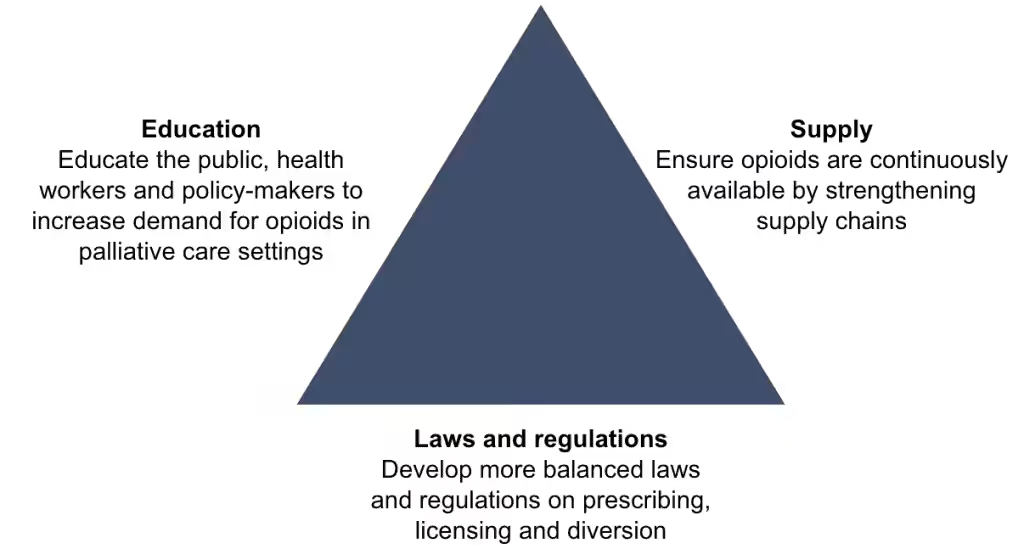
There are three issues facing organisations trying to increase access to pain relief in LMICs: laws and regulations, education of health professionals, and supply chains (illustrated in Figure 5).
Figure 5: The “Palliative Care Access Trilemma” from Sharma et al. (2020) showing the three barriers to opioid access
- Law and regulations. Most HICs already have adequate (and most have too much) opioid access, so their policies and those of international institutions focus on preventing misuse. Many LMICs have adopted these laws as best practice, despite the barriers they pose for providing care.
Avoiding opioid misuse is a higher priority for most high-income governments and international institutions than increasing opioid access because they already have good access. While justified in HICs, the international laws brought in by the International Narcotics Control Board (INCB) to prevent the misuse of opioids have been applied to all countries equally, leading to unfair restriction of access in low-income countries. For example, restrictions in a country’s consumption were, at one point, based on the numbers of doctors in a country. Obviously, poorer countries had significantly fewer doctors per capita, so therefore were allowed much less opioids per capita. This stems largely from the 1961 UN Single Convention on Narcotic Drugs, which sought to balance medical access with control but in practice created a global system that prioritised restriction over relief of suffering. The INCB itself has since acknowledged that this framework has inadvertently limited the availability of opioids for medical purposes in LMICs (Clearly & Maurer, 2018). They are supposedly now actively trying to lower barriers to opioids for medical use. However, at the time of writing, all of the current campaigns visible on their website focus on reducing opioid misuse rather than improving access for pain relief.
- Education and stigma among doctors and nurses. The second problem is that health professionals in lower income countries do not feel comfortable prescribing opioids because (a) they fear people abusing them, but also (b) they are not trained in using opioids for pain management. Ogboli-Nwasor et al. (2013) found that 90% of teaching hospital physicians in Nigeria had received no formal training on opioids for pain management, with only 50% reporting they would consider prescribing opioids for severe cancer pain.
- Supply problems. Finally, the low price of morphine, low prescription rates, and high security costs have led to few suppliers and fragile supply chains, which have in turn led to many pharmacies and hospitals not being able to stock morphine (Clearly & Maurer, 2018; Knaul et al., 2018). In one study of 120 health facilities in Kenya and Uganda, only 7% dispensed morphine (Fraser et al., 2017). This means it is highly likely someone with a prescription for morphine would not actually be able to find a dispensary within their accessible vicinity.
Together, these have created a very high barrier to access to opioids in LMICs and successful approaches will need to tackle all of these barriers. Fortunately, there are ways to address each of these barriers and as we will see in the next section some charities have already had success in doing this.
Are there charities working on it? Yes. We are aware of three charities working in this area. Though we believe there to be many more, these were the three names that came up most commonly, and that we judged to be the most promising opportunities given our limited time:
- Pallium
In 1993, Dr. Rajagopal founded the Pain and Palliative Care Society (PPCS) in Medical College, Calicut. Later in 2003, Pallium evolved out of the PPCS. Since then, it has been successful at increasing access to morphine in the state of Kerala through advocacy, education and community-based services. In Kerala, the distributed opioids per capita is now 14x higher than India’s average, but still only a quarter of the global average and less than 1% of the UK’s consumption (Rajagopal et al., 2017).
Following their success in Kerala, they now want to expand across other states in India.
- Hospice Africa Uganda (HAU)
HAU was founded in 1993 by the late Dr. Anne Merriman. They are largely responsible for Uganda being the continent’s leader in palliative care development. Between 2001 and 2013, opioid availability reportedly rose by 35% in Uganda, while across the rest of Africa, it fell by 18% (INCB, 2015). Similarly to Pallium, they have a holistic approach to improving access to pain relief, undertaking advocacy and research to change policy, as well as providing direct clinical support and education for healthcare providers. Their morphine production facility now produces all of the liquid morphine in Uganda.
- Douleurs Sans Frontières (DSF)
Founded in 1996 by a small group of French hospital physicians who wished to share their expertise in managing pain, DSF (“Pain without borders” in English) is a French NGO dedicated to alleviating physical and psychological suffering in under-resourced communities. DSF works in countries including Cambodia, Haïti, Madagascar, Armenia, and Mozambique. In Cambodia, Douleurs Sans Frontières has developed one of the few nationwide palliative care programmes, providing home visits, hospital consultations, and technical support for cancer care. In Mozambique, its “Project BIAP” extends psychosocial and palliative support to chronic-disease patients and their caregivers, and is expanding into new provinces. One of DSF’s potential upcoming projects is to set up a morphine lab to create and supply liquid morphine in Mozambique which they think they could do for around $150,000.
|
An ecosystem of palliative care: To our pleasant surprise, there are many actors in the space of palliative care and strengthening access to opioids. First, as we’ve mentioned, the charities Pallium, HAU, and DSF. There are also other groups like ADESPA (a charity working in Central and West Africa) and the African Palliative Care Association (research and advocacy) which we have yet to investigate. There is also the Organisation for the Prevention of Intense Suffering (OPIS) who provides technical support to different actors, and has created multiple useful resources for groups to push forward palliative care. OPIS also connected us with some people looking to start palliative care work in Niger and Timor Leste. |
Were we able to contact these charities? Yes, we managed to contact all three charities and organise calls.
Is there enough evidence to do an evaluation of them? We had sufficient evidence to do an initial BOTEC of Pallium. Although we believe it is likely there is enough evidence out there to do an evaluation of Hospice Africa Uganda and Douleurs Sans Frontières, time constraints prevented us from conducting BOTECs of them. A BOTEC does not represent an evaluation, and we would need to do more research before any of these charities could be considered for recommendation.
What is their Theory of Change? Pallium plans to leverage what they call their “Demonstrate, Educate, Facilitate (DEF)” approach through a network of Regional Facilitators who will lead in each locationThe DEF approach is split into three stages:
- Demonstrate: Establish model sites delivering outpatient (OPD), telehealth, home-based palliative care and inpatient (IPD), powered by community engagement.
- Educate: Train healthcare professionals and volunteers, using evidence-based courses and mentorship. Up until 2019, the medical curriculum did not have any component of pain or palliative care as part of the syllabus, resulting in doctors staying away from opioids because of their lack of knowledge and fear of making a mistake.
- Facilitate:Support local and government partnerships, regulatory integration, opioid availability, and quality assurance for scaling services statewide, with continuous technical and strategic handholding from Pallium India. In other words, assist the government with integrating palliative care into their healthcare system. Pallium does not want to be responsible for direct delivery, they just want to get education and training to a ‘critical mass’ past which there are enough doctors to train other doctors, and the state picks up providing palliative care.
There will always be a Regional Facilitator who will adapt Pallium’s DEF approach to match the local context..
You may notice that advocacy is conspicuously absent in the DEF acronym. That’s because that battle was already won in 2014 when the national Narcotics Drugs and Psychoactive Substances (NDPS) act from 1985 was amended to relax access to narcotic drugs for the use of palliative care. This amendment applied to the whole country and so regulations are no longer a barrier to growing Palliative Care in India. The problem now is uptake and implementation.
Are they likely to be cost-effective? Yes. Our BOTEC model is based on evaluating a hypothetical project in which they expand their services to Karnataka, a neighbouring state to Kerala, in which they have strong local champions ready to push forward the palliative care agenda. Pallium named 6 states for us which they were interested in expanding into, however, they highlighted Karnataka as the one which they felt held the most promiseWe decided to model this project rather than their current activities they do because they told us they already received funding which is restricted to direct delivery of palliative care (e.g. paying for the morphine, or the doctors to go out and deliver the care) in Kerala because many of their donors in India prefer to support this. They are aware that expanding into more states and improving care there could be more cost-effective than only providing direct treatment in Kerala. We think that having both sufficient funds to ensure their continued existence and stability, as well as insufficient funds for their most cost-effective programmes is an appealing set up for donors. .
We modelled the expansion in Karnataka by assuming that coverage would reach a similar level to Kerala. We used Pallium’s guess that their involvement would speed up the process by between 5 to 8 years compared to if it was left to the government, though we think this is really a lower bound. The project is expected to cost between $1-2 million dollars over 5-10 years, and would result in between 1.1-3.1 million extra people receiving palliative care who would have otherwise not. We estimate that treating palliative pain would produce 2.72 points of wellbeing, which once integrated over 2 weeks of pain alleviation and adjusted would create 0.07 WELLBYs per person.
This figure carries substantial uncertainty and should be understood as a plausible lower bound. We also apply conservative adjustments for implementation risk, recognising that policy and healthcare system projects of this kind do not always succeed.
In total therefore we estimate this project will create between 16 and 108 WELLBYs per $1,000 donated. For a fuller explanation of how we modelled this project please refer to Appendix B. We emphasise that this is a highly uncertain BOTEC, and we intend to develop the analysis further in future work.
What are the next steps? HLI’s next step will be to produce an in-depth report on opioid access and palliative care. This report will hopefully include detailed analyses of Pallium, HAU, and DSF to understand how their models compare and where the greatest impact lies. As part of this work, we plan to model the benefits of Pallium’s potential expansion into different states and help them prioritise where to scale since we suspect effectiveness may vary widely between regions.
|
Funding recommendation: There are potential charities to fund in this area. However, these are not HLI recommendations yet as we would need to complete a much deeper evaluation. We are hoping to do so soon. There appears to be room for at least $1 million in additional funding to help expand Pallium’s work into states beyond Kerala and accelerate the rollout of palliative care services. Our impression of the team and organisation is positive. Whether funding needs to be restricted to expansion is still to be explored. |
2. Headache-based disorders
“On a scale of one to 10, the pain is a 50” – Terrence Knight, America Football player, talking about his experience with cluster headaches.
|
Key takeaways: Migraines
Cluster Headaches
|
2.1 Migraines
What are they? Migraines are a common type of very painful headache disorder characterised by unilateral, pulsating, moderate to severe headaches that are typically associated with intense nausea and a heightened sensitivity to light and sound, lasting between 4-72 hours (Charles, 2013)
Is it an important problem? Migraines affect 15% of the population (GBD, 2023). Dupret et al. (2023) estimated that suffering from migraines reduced baseline wellbeing by ~0.2 pointsDupret et al.’s (2023, p. 21) calculated a cross-sectional meta-analytic estimate for migraines. “We obtain a meta-analytic average that having migraines reduces life satisfaction by -0.11 SDs (4 effect sizes, 123,112 observations), or -0.22 WELLBYs. [...] Effects are drawn from 4 studies (Asgeirsdottir et al. 2017; Binder & Coad, 2013; Groot et al., 2004; Powdthavee & van den Berg, 2011).”.
Are there feasible solutions to the problem? The exact biological mechanisms behind migraines are not fully understood (see Mungoven et al., 2021; Puledda et al., 2023, for overviews of current theories and their shortcomings), but that has not stopped a range of effective treatments from being developed to both stop and prevent attacks. For example:
- Common anti-inflammatory drugs (NSAIDs) can eliminate pain from migraines in half of all cases: aspirin 52% (Kirthi et al., 2013), or ibuprofen 57% (Rabbie et al., 2013).
- For those with more severe migraines, for which NSAIDs are ineffective, triptans Triptans are a class of medications that treat migraines by changing how blood circulates in your brain and how your brain processes pain signals. They’re a first-line treatment for migraines, and some can also treat menstrual migraines and cluster headaches (Cleveland Clinic). taken at onset are effective for around 60% of users (Derry et al., 2014), although these are more costly and come with greater side effects These medications, particularly when administered via injection, are associated with a higher likelihood of side effects – patients in the treatment group of one randomised controlled trial were twice as likely to report adverse effects. These reactions are typically mild to moderate and may include chest tightness, vomiting, or irritation at the injection site (Derry & Moore, 2013)..
- Preventative options such as propranolol and topiramate have also proven effective, reducing monthly migraine frequency by over 50% in many patients (Linde & Rossnagel, 2004; Salisbury-Afshar, 2014).
However, in a 2011 survey experts estimated that worldwide only 40% of individuals who suffered from migraines received a professional diagnosis, and in low-income countries this figure was 13% (WHO, 2011). The two main barriers appear to be:
- Misdiagnosis and lack of training on the behalf of medical professionals (WHO, 2011) and
- People suffering migraines are not seeking help because they do not know how easily treatable migraines often are (Katsarava et al., 2018; Steiner & Stovner, 2019).
Are there charities working on this problem? Although there are ways to reduce the suffering from migraines, we were unable to identify any charities focusing on addressing this huge amount of global suffering.
We have cautions and points of optimism about whether we think this is a promising area for new charities to be developed. On one hand, there is a massive pain burden and simple solutions. But on the other, the treatments - everyday painkillers - are cheapFor example, this box of 24 ibuprofen tabletsis priced at 290 Naira (date 13/10/2025) which is roughly $0.20. In Awodele et al. (2015) they found 96% of aspirin prescribed in the Out-patient Pharmacy Department of Lagos University Teaching Hospital (LUTH), Nigeria, cost less than 500 Naira which was at the time equivalent to around $2.50., already widely available (Kawuma et al., 2021), and can have harmful side effectsNSAIDS can cause gastritis and peptic ulcers to worsen, which are common in low-income countries, so just handing them out could have negative side effects, according to Nick Laing. Nickis a Public Health Doctor with over 10 years experience managing rural health centres in Northern Uganda where he runs his charity OneDay Health..
So, the likeliest issue seems to be informational and hence some form of public health education to raise awareness might be the best solution.
|
Funding recommendation: There is no concrete opportunity to fund currently. More research is needed on the possibility of cost-effectively reducing the burden of common headache disorders in LMICs. We do not plan on pursuing this in the near future. |
2.2 Cluster Headaches
What are they? Cluster headaches are a rare form of headache-based disorder characterised by its excruciating pain and very particular temporal patterns (May, 2005; see patient testimonials in Appendix C). Most patients have episodic cluster headaches, which are when the patient suffers periods of severe headache attacks (“clusters”) lasting from weeks to months, separated by remission periods of at least three months without symptoms. Roughly a fifth of patients do not get these pain-free intervals. These people are said to suffer from “chronic” cluster headaches (definitions are adapted from the ICHD-3, Headache Classification Committee of the International Headache Society).
Is it an important problem? We think this was an important issue because, although there are not that many people suffering from this condition, the intensity of the suffering for those who suffer seems incredibly high.
Only around 0.1% of the population experiences cluster headaches every year (San-Juan et al., 2024), but cluster headaches are thought by some to be the most painful condition known to science. Burish et al. (2020) found that cluster headache victims were asked to rate the pain of an attack on a scale of 0-10, and then asked to rate other pains they had experienced (see Figure 6). The average result for a migraine attack was 5.4, for kidney stones a 6.9, and labour pains a 7.2, but cluster headaches scored a 9.7, with over 72% of respondents giving it a 10/10 on pain.
Figure 6: Pain scores for different conditions as reported in Burish et al. (2020).
Liang et al. (2013) found that cluster headache victims had a 5.6 times greater risk of developing depression than the general population. Lee et al. (2019) found that over 36-64% of cluster headache victims suffered from suicidal ideation, which is why they are often colloquially referred to as the ‘suicide headache’.
There isn’t a best current estimate, but we think current evidence points to between a -2 and -6 point decrease in wellbeing (on a 0-10 scale) for those with cluster headachesIn a Chinese sample, they found that the average cluster headache sufferer reports their quality of life on a 1-5 scale (with 1 as bad and 5 as good) as 2.38 while people with migraines report 3.22. Rescaling this to a 0-10 scale, we see the effect is around 1.8 points less than migraines (Dong et al., 2013).However, we think this might be an underestimate. If we use Dupret et al.’s (2023) conversion from pain to wellbeing on a 0-10, this results in a loss of 9.7 * 0.61 = 5.91 points, though this conversion was relating to average level of pain so this is likely to be a significant overestimate. . Overall, we are unsure of how to quantify the wellbeing loss of cluster headaches, but think it is very plausible that it would be large. We would be very interested in running even a simple survey to try and get a better idea of the burden they place on individuals. Anecdotally, we have heard many reports of cluster headache victims suffering PTSD and anxiety even when in a cluster-free period because they are worried about when they will return.
Is it a solvable problem? Having consulted with two experts in the area, and doing our own research, we determined there were two likely paths to impact in this space.
- Improving the medicines on offer
- Improving access to the current medicines offered
All of the currently available abortive (stop an attack once it has started, so needs to be fast acting) and preventative (prevent attacks from starting in the first place) medicines seem to face one significant downside or another: be it logistic/practical issues For example, while high-flow oxygen is considered a very safe abortive treatment, which works for 65% of patients (Rusanen et al., 2022), it requires cluster victims to have large oxygen tanks at home or nearby, and then they must be near these tanks when the attack starts., serious side effectsFor instance, verapamil is the most common preventative treatment; however, it can have cardiovascular side effects which means that ECG monitoring is highly recommended (Cohen et al., 2007)., or rebound headachesTriptans, which although effective at aborting the targeted headache, come with a high risk of rebound headaches (Sinclair et al., 2015).. However, some research (Rusanen et al., 2022) has shown that sub-hallucinogenic doses of some psychedelics – specifically psilocybin and LSD – might be (a) more effective than current treatments (see Figure 7 below) and (b) have few to no negative side effects.
Notably, people report that just one or two small doses of psilocybin or LSD aborted the entire cluster period, something no other preventative treatment has done. Anecdotally, some patients describe psychedelics as the only treatment that’s ever put their disease into remission. The evidence is new and far from conclusive. In Appendix C we present some patient testimonials about the effectiveness of psychedelics for treating their cluster headaches.
Figure 7: Grouped results of the surveys in Rusanen et al. (2022)The results come from the 8 surveys reported in Rusanen et al. (2022), with 9,911 responses for abortive treatments and 7,117 for preventive treatments. Note that results have been grouped from the 8 surveys reported in Rusanen et al. (2022) paper into relevant higher categories (e.g., all the non-LSD ergolines into one, all the triptans into one). See Appendix C for a non-grouped version of the graph. Also note that these are not the results of RCTs or other high quality methods, but simply a binary of whether respondents with cluster headaches reported the treatment to be “effective” (or a similar language, which varied across the underlying surveys). One study (Sewell et al., 2006) reported middle ground “partially effective” responses, which, for simplicity, we split 50/50 into ineffective and effective..
The other path to impact – improving access to the current medicines offered – is perhaps less flashy, but also interesting. There are already legal and at least somewhat effective treatments for cluster headaches. For example, in Bob Wold’s (the founder and CEO of Cluster Busters) Pocket Guide to Cluster HeadachesThis is not a classic academic reference, but Bob Wold has been a key/the key figure in the cluster headache space for over 20 years. In an area with exceedingly poor data quality, we think his experience is likely one of the best sources of information. , he lists at least 15 somewhat effective, legal treatments like oxygen and verapamilThere are safe and legal preventatives such as Verapamil, Emgality, Lithium, Prednisone/steroids, Vitamin-D3 regimen, Anti-Histamine Infusions, Melatonin and Topiramate (Topamax). As for abortives there is high-flow oxygen, Sumatriptan (Imitrex) injections, DHE-45, GammaCore vagus nerve stimulator, nerve blockers, Ketamine Nasal Spray, Taurine (energy drinks) or lidocaine nasal drops. and Rusanen et al. (2022) lists at least 9 treatments with self-reported efficacy above 20% (more depending on how you group the results), meaning psychedelics would only improve upon the toolkit rather than creating a whole new one. However, due to the rarity of this disease, awareness of it in the medical community is lowIn this period, desperate for the pain to stop, people often undergo a range of unnecessary treatments such as acupuncture (32%), sinus medications (aerosol 2%) and more worryingly, tooth extraction (16%; Voiticovschi-Iosob et al., 2014).. For example, Obberghen et al.’s (2025) meta-analysis found the average time to get a cluster headache diagnosis after first experiencing them is over 10 years.
The evidence for the efficacy of different treatments is what we would characterise as “very weak”. It is almost entirely data collected from reported self-efficacy surveys which may attract respondents who have had a positive experience with a treatment, leading to overestimates of its effectiveness. Given this, there is a need for clinical trials and high quality evidence in this field.
Are there charities working on this? We are aware of at least two charities working on this.
ClusterFree is a new organisation set up by Alfredo Parra in 2025. The goal of the charity is to increase research into cluster headaches, with a focus on getting people access to psychedelics.
The second charity is ClusterBusters, an NGO set up by Bob Wold in 2002. They act more as a holistic NGO providing support to victims of cluster headaches doing advocacy, education, and direct support.
We made contact with ClusterFree but not ClusterBusters. This was primarily due to time constraints, and we had been impressed by Alfredo Parra’s post on the EA Forum, so we prioritised contacting him.
Is it cost-effective? Potentially. We believe the most valuable use of funding right now is supporting research, not advocacy, for several reasons.
First, evidence in this area is very weak. Better data is needed to make informed resource prioritization decisions.
Second, advocacy for psychedelic legalisation may have little impact. The $2.2 billion psychedelic therapeutics industry (valuation by InsightAce Analytic) has already spent heavily on legalisation with limited success, and the cluster headache field is far less well-funded. Advocates have turned to “compassionate use” programmes, which allow patients with serious illnesses to access experimental drugs when approved treatments fail (European Medical Association). However, these programmes typically require proof that three or more approved treatments have failed first. As a result uptake is minimal: in 2024, only one CanadianTo date, only one individual (Jody Lance) has publicly been granted access to psilocybin for cluster headaches through Canada’s Special Access Program, according to Health-Canada-approved releases by TheraPsil (2024, 2025). No official statistics have been published on additional cases. and 16 Swiss cluster headache patients (Lietchti et al., 2025) accessed psychedelics this way. A smarter strategy may be preparing for future openings. Once psychedelics are approved for mental health treatment, advocates could use that momentum to push for cluster headache access. This will only be possible if strong evidence and clear clinical guidelines already exist – to avoid similar issues as those that occurred with MDMA therapy in the USThis is what we have seen with the failure to legalise MDMA therapy in the US where, in 2024, the FDA declined to approve MDMA-assisted therapy for PTSD, despite promising Phase 3 results, citing concerns over trial integrity and safety (Wilkinson & Sanacora, 2025). Reviewers found that participants could easily tell whether they’d received MDMA or placebo (compromising blinding), therapists were overly enthusiastic (raising expectancy bias), and adverse events were under-reported. The agency also questioned long-term safety data and how the therapy component would be standardised in real-world use..
The final option is improving diagnosis and access to existing treatments, though some data suggests diagnosis times may already be improving (see Appendix C). We’d like to consult health policymakers to understand this more deeply. The next step again points towards strengthening evidence for each currently available treatment.
How strong is the evidence? The evidence for the efficacy of different treatments is what we would characterise as very weak. There is certainly room for much more work to be done. Namely:
- Record wellbeing data – what is the effect of chronic cluster headaches vs episodic cluster headaches on wellbeing? How do people with untreated cluster headaches compare to those treated with and without psychedelics?
- Causal effects of each treatment – in a clinical trial do the promising psychedelic results replicate? How effective are current treatments? Almost all current data is collected from self-reported efficacy surveys which may attract respondents who have had a positive experience with a treatment, leading to overestimates of its effectiveness. There is a great need for better clinical trials.
- Overlaps in resistances – for what percentage of people are on none of the currently available treatments effective?
- Diagnosis times – what are current diagnosis timelines in different countries?
|
Funding recommendation: We do not currently recommend any charities related to cluster headaches. The data is still extremely uncertain and the work needed to be done to determine a plausible path to impact is still very foundational. We do not yet have an estimate of ClusterFree’s cost-effectiveness, as their work is still laying the foundations upon which to establish the cluster headache field. ClusterFree reports that they can absorb up to $248,000 in a year. Given their small budget, additional funding could have an outsized impact: a single large donor could effectively help establish the foundations of a new cause area. This could be a high-risk, high-reward opportunity, but it is too uncertain for us to make a recommendation. |
3. Musculoskeletal pain
“I feel like a person again. I am doing so many things for myself; I even picked up my little boy, and it was nice.” – Gasebomo, Botswana, talking about how she felt after treatment from World Spine Care for a disc bulge in her lower back
|
Key takeaways:
Physiotherapy
Psychotherapy
|
What is it? Musculoskeletal chronic pain (primarily low back pain, neck pain, and arthritis) is ongoing pain from the spine, joints, or surrounding tissues that limits function.
Is the cause area promising? Musculoskeletal conditions are very common (affecting 26% of the population) and account for a large chunk of the total health burden, with 16% of the YLDs (GBD, 2023).
We think many musculoskeletal pains are likely to be underdiagnosed and undertreated in LMICs. For example, whilst the global average for physiotherapists per 10,000 in population is 3.8, and in Europe it is as high as 13.7, Africa only has around 0.3 (World Physiotherapy, 2024). In other words for every physiotherapist Africa has, Europe has around 45. This means that many chronic pain sufferers will never receive treatment.
Are there charities working in this space or feasible solutions? We found one charity working on this problem in LMICs called World Spine Care. We also explored one hypothetical intervention that no charity, as far as we know, exists to implement, namely psychotherapy for chronic pain.
3.1 World Spine Care
World Spine Care is a non-profit organisation with a mission to improve spinal health and reduce disability from musculoskeletal pain in LMICs. Founded in 2008, it operates clinics in Botswana, Ghana, India, and the Dominican Republic, providing free physiotherapy and chiropractic services to people suffering from back and neck pain. It also has a range of other projects, including some in Canada.
World Spine Care operates largely through a volunteer-based model. Most of its clinical and educational work is carried out by volunteer chiropractors, physiotherapists, and other spine-care professionals. Most volunteers travel from high-income countries to work short-term rotations, are paid below-market rate stipends, and normally reside between 3-12 months in associated clinics. These volunteers are supported by a smaller number of local staff and trainees, whom the organisation helps to train in spinal assessment and treatment.
World Spine Care is closely affiliated with the Global Spine Care Initiative, a collaborative international effort to develop and implement best-practice, evidence-based guidelines for spinal health worldwide.
Was there enough evidence to do an evaluation? We found strong evidence that physical therapy is good at relieving lower back and neck painIn one recent umbrella review of systematic reviews of exercise therapy they found 83% of the 88 systematic reviews reported significant reductions in pain (Viderman et al., 2025). Another meta-analysis by Cheng et al. (2025) of sixdifferent exercise therapies(42 RCTs) showed an overall large standardized mean difference (SMD = –1.21) in favour of exercise across pain/disability outcomes, particularly for yoga. We are unsure of the exact differences and similarities between physical therapy, exercise therapy and World Spine Care’s offering, but it appears that physical therapy is more of an umbrella term, under which exercise therapy sits. Therefore, if we know the effect of exercise therapy this is likely to be a reasonable lower bound estimate for the effectiveness for physical therapy as a whole., and some evidence that back pain can affect people’s wellbeingIn one cross-sectional study of 264 patients with chronic low back pain they found a significant effect on a 5-item satisfaction with life scale (Goerlitz et al., 2018). Another longitudinal study by Pericot-Mozo et al. (2024) of 129 patients with chronic low back pain found that greater pain intensity and functional limitation were inversely associated with quality-of-life measures.. Boonstra et al. (2013) found life satisfaction for people suffering musculoskeletal conditionsMusculoskeletal disorders (MSDs) are conditions and injuries affecting the body's framework, including muscles, bones, joints, tendons, and nerves. Examples of MSDs include low back and neck pain, but also arthritis, carpal tunnel syndrome, and osteoporosis. was around -1.17 life satisfaction points lowerSee Table 2. They found that, on average, people with chronic musculoskeletal pain had a life satisfaction of 4.0 on a 1-7 scale, while the general public had a life satisfaction of 4.7. Hence a loss of -0.7 points on a 1-7 scale. Which converts linearly to -1.17 on a 0-10 scale., but we think the difference is at least in part due to other factors such as age, education, and employment (which differed).
Based on that, we thought this was an interesting enough area to connect with World Spine Care to try and understand their programme better. They kindly supplied us with data on the total number of office visits, new patients, and costs to run their clinics in Botswana and the Dominican Republic.
Is the cost-effectiveness of the charity likely to be high? The cost-effectiveness is moderate, but presently below the range of the charities we recommend.
Based on the evidence we were supplied, we found that the cost per visit was around $13-17, but that a patient might require ongoing care and multiple visitsThis came from personal communications with World Spine Care. But more exact data on the number of visits a patient needs would be useful. . Our best guess was that it costs between $44 and $63 to treat a patient for one year.
We base our estimate on the 1.17 life satisfaction effect reported by Boonstra et al. (2013), adjusted for spillovers to nonrecipient household members (16.24% spillover for an average non-recipient household size of 3.33 people in LMICs) – consistent with our psychotherapy analysis (McGuire et al., 2024b) – and apply our standard 0.51 (49% discount) replication adjustment. This gives an estimated 0.92 total adjusted WELLBYs per person treated, and an overall cost-effectiveness of 15–21 WELLBYs per $1,000 donated.
Note that World Spine Care has many projects across the world (including Canada) so this evaluation is imagining a donation restricted to this specific work in LMICs.
Taken literally, this would imply a cost-effectiveness double that of cash transfers, but we view this as a relatively optimistic assessment. Though there are plenty of parameters we are unsure aboutFor instance:, in our current analysis, we believe our estimate is generous as it assumes:
- physiotherapy fully eliminates back pain for a year,
- requires only three visits per patient.
Our primary concern with this intervention is that it seems relatively expensive to deliver because of the high skill level required for the job, and the necessity for many to have ongoing treatment, rather than single intervention fixes. However, if these are indeed problems, they present potential solutions to be investigated: Can certain physical therapy tasks be shifted to non-experts? Can long-term help be delivered with just a few sessions?
Due to these uncertainties we’ve concluded our research on World Spine Care for now but we will revisit it if new or overlooked evidence emerges. That said, we encourage them, other organisations, and researchers to collect wellbeing data from physical therapy patients and their households in LMICs. With stronger evidence and clearer cost per patient data, we’d be glad to reassess their work.
|
Funding recommendation: We do not currently recommend World Spine Care because while moderately cost-effective it is not more cost-effective than our current charity recommendations. We do not currently plan to do a more in-depth evaluation. However, we encourage efforts to better study this intervention and to find ways to make it more cost-effective. |
3.2 Psychotherapy
In the previous section, we explained the most obvious way to treat lower back pain: physiotherapy. Another approach treats pain-related suffering as much a psychological as a physical phenomenon, offering psychotherapy as a pain management tool.
Talk therapies such as CBT target the cognitive and emotional processes that shape how pain is experienced, reducing unhelpful beliefs, distress, and behaviours like pain catastrophising (Jaén et al., 2021). This can lower perceived pain intensity and improve emotional regulation, helping people live more fully despite persistent painCovic et al. (2003); Sullivan et al. (2001);Smeets et al. (2006); Niknejad et al. (2018). As we have seen in other charities like StrongMinds and Friendship Bench (McGuire et al., 2024b), costs for psychotherapy can be kept low using task-shifted delivery, where trained lay facilitators run manualised group sessions.
Unfortunately, we did not find any charities currently delivering psychotherapy for chronic pain.
Dupret et al. (2023, Section 4.1.4) had previously modelled a potential hypothetical charity evaluation, and found evidence of the impact of psychology-based therapies for chronic pain in seven studiesBaird et al. (2017), Braunwalder et al. (2021), Eccleston and Williams (2015), Fisher et al. (2018), Hilton et al. (2017), Hughes et al. (2017), Williams et al. (2020)., which once meta-analysed suggested an effect of 0.26 SDs. We updated this analysis with new imputations for missing variables from our updated analysis of psychotherapy in LMICs (McGuire et al., 2024b). Namely, we impute duration (3.48 years) and spillovers (16.24% for the average non-recipient household size of 3.33 people in LMICs), and use our 0.51 replication adjustment. We estimate that a hypothetical charity might create between 16 and 43 WELLBYs per $1000 donated if it can reach individuals for the same costs as mental health charities like StrongMinds.
It is unclear if search costs will be higher or smaller.
Ideally, such treatment would complement medical and physiotherapy treatments and sit within a referral system that directs patients to the most appropriate care.
Alternatively, existing mental health charities could expand to include people with chronic pain, since they already have the infrastructure to identify and treat depressed individuals. This could actually lower the search costs involved in finding appropriate beneficiaries for these mental health charities and thus improve their cost-effectiveness, even if the treatment is less effective than psychotherapy for depression.
|
Funding recommendation: There is no charity to recommend in this area. If mental health charities or physiotherapy charities are interested in expanding in this area we will be interested to hear of their progress. However, in the meantime, we are not exploring this area further. |
4. The philanthropic field focused on pain relief
The field of global pain relief remains poorly defined, severely underfunded, and largely uncoordinated. Despite the vast burden of untreated pain worldwide – spanning end-of-life suffering, chronic musculoskeletal conditions, and excruciating headache disorders – there is no comparable movement to the global mental health or neglected tropical disease initiatives that have gained traction in recent decades. The absence of major institutional funders, shared measurement systems, or a cohesive research agenda has left this domain fragmented and invisible to most donors interested in improving global wellbeing.
4.1 Defining the boundaries of the field
It is difficult to speak coherently about the “funding of pain relief” because the domain is so broad and conceptually diffuse. Pain is both a symptom and a disease entity, cutting across oncology, surgery, neurology, and rehabilitation medicine. Should we include interventions that cure pain-inducing illnesses (e.g., cancer treatment, orthopedic surgery) or those that prevent pain from arising (e.g., vaccinations, injury prevention)? On such a broad definition, most global health programmes could be considered pain relief initiatives.
Nevertheless, it is useful to provide a sense of scale for the portion of this landscape that focuses directly on symptomatic treatment, alleviating pain once it arises – through palliative care, and management of chronic or neurological pain conditions. The figures below are therefore best understood as indicative, not exhaustive (see Table 2 for a summary).
Table 2: Funding for each field.
|
Cause Area |
Charity Name |
Yearly Revenue/Expenditure |
Source |
|
Palliative Care |
Douleurs Sans Frontières |
$3,434,896 |
X-rate: World Bank 2022 |
|
Pallium |
$1,049,706 |
||
|
Hospice Africa Uganda |
$893,532 |
||
|
APCA |
$738,687 |
||
|
Cluster Headaches |
ClusterBusters |
$144,887 |
From Annual report 2020 |
|
ClusterFree |
$120,000 |
Middle projected from pitch deck |
|
|
Research grant to UTHealth Houston |
$2,400,000 |
From UTHealth Houston news. Likely to be a multi-year grant |
|
|
Musculoskeletal pain |
World Spine Care |
$270,000 |
4.2 Palliative Care
To gauge the approximate philanthropic funding directly focused on palliative care advocacy and service development in LMICs, we combined the budgets of Pallium India, Hospice Africa Uganda, Douleur Sans Frontières, and the African Palliative Care Association (APCA). Together, these organisations account for an estimated $6 million in combined annual revenue, with over half attributable to DSF.
We were unable to locate reliable funding figures for OPIS or ADESPA,. There are also likely many small, locally operating organisations not captured in this total. However, the broad picture is clear: funding directed towards organisations focused on building palliative care systems in LMICs is minimal.
By contrast, single-country charities focused on end-of-life care in high-income countries (such as Marie Curie in the UK) can operate with annual budgets around £200 million, the majority spent on direct service provision in the HICs they work on, not global expansion.
4.3 Headache-based disorders
We could not easily find figures for philanthropic funding focused on headache-based disorders in LMICs. We imagine this is small to non-existent.
In HICs, we can find evidence of funding for work related to migraines. However, the story seems bleaker for cluster headaches.
The U.S. National Institutes of Health (NIH) allocated approximately $59 million in 2023 to “headache disorder research”, encompassing all forms of primary headache (of this, $49 million are allocated to migraines). None of the projects listed under “headaches” directly mentioned cluster headaches in 2023 or 2024. However, a recent $2.4 million grant has been announced (UTHealth Houston news).
San-Juan et al.’s (2024) review concluded that “because of the relatively low prevalence compared to migraine, funding for CH [cluster headaches] research remains very limited and is mainly directed to other more prevalent primary headache disorders, such as migraine”.
ClusterFree and ClusterBusters both operate on annual budgets below $0.2 million.
Together, this suggests that money focused on cluster headaches is, at its lower bound, in the $2.7 million.
4.4 Musculoskeletal pain
In our limited search the only international NGO we identified with a clear mandate to improve musculoskeletal health in LMICs was World Spine Care. Their revenue in 2024 was only $0.28 million.
Musculoskeletal pain is also considered underresearched with the proportion of NIH funding being proportionally less than the health burden (Nguyen et al., 2024).
Conclusion
Physical pain (especially extreme and chronic pain) remains one of the most pervasive and poorly served sources of human suffering. In this report we explored three areas: palliative care, headache-disorders, and musculoskeletal pain. The three areas examined in this report are united by a common pattern: the burden is large; philanthropic attention is, at present, minimal; and cost-effectiveness evaluations are only nascent, involving many uncertainties that more research will have to fill.
The case for palliative care is perhaps the most immediately compelling. Roughly 41% of global deaths in 2021 involved serious health-related suffering, with 80% of that burden concentrated in LMICs where palliative services are nearly absent. The tools to address this, primarily opioid analgesics such as morphine, are inexpensive and well understood. The barriers are regulatory, educational, and logistical rather than scientific. Our preliminary analysis suggests that organisations such as Pallium India, working to expand palliative care access through advocacy, training, and system facilitation, could generate somewhere in the range of 16 to 108 WELLBYs per $1,000 donated, though we hold these estimates loosely and intend to refine them considerably in future in-depth work on palliative care.
For headache disorders, the picture is more mixed. Migraines affect roughly 15% of the global population and have accessible, inexpensive treatments. We were unable to identify a compelling intervention or organisation ready to fund in this space, and we remain cautious about recommending it without a clearer theory of change. Cluster headaches present a different profile: rare but extraordinarily severe, with sufferers rating attacks at an average of 9.7 out of 10 on a pain scale. The evidence base for available treatments is weak, relying on surveys of efficacy self-reports rather than clinical trials. Cluster headaches still seem misunderstood with barriers to treatment. We tentatively see the greatest value here in supporting foundational research to establish the field, rather than in direct advocacy or service delivery at this stage.
Musculoskeletal pain accounts for some of the largest share of years lived with disability. We found one organisation, World Spine Care, delivering physiotherapy in underserved settings, and our preliminary modelling suggests moderate cost-effectiveness in the range of 15 to 21 WELLBYs per $1,000. This is below our current threshold for a charity recommendation, and significant uncertainties remain around the number of visits required, the duration of benefit, and whether task-shifting could improve the model’s economics. Psychotherapy for chronic pain appears promising in theory, generating an estimated 16 to 43 WELLBYs per $1,000 in modelling work, but no organisation currently delivers it in LMICs.
Across all three areas, funding is extraordinarily limited. Total philanthropic spending focused on pain relief outside HICs appears to be in the single-digit millions annually. This contrasts sharply with diseases of comparable or lesser burden that have attracted billions. The absence of a major institutional funder, a shared measurement framework, or a coherent research agenda has left the field fragmented and largely invisible to donors.
Appendices
Appendix A: Detail for Figure 1
The main source for the figure is the Happiness Research Institute (2020) using the SAGE panel of older European adults. The description of how the effects were calculated is: “Context variables estimated using a single OLS linear regression controlling for gender, age, number of children, country, income, year, and remaining categories for marital status, education, and employment. Married is used as the reference category for divorce. Bachelor’s degree used as the reference for no college (ISCED-3). Employed full-time used as the reference category for unemployed. Debt coded as a dummy variable for negative or non-negative household net worth. Health status was also controlled for by adding additional control variables for all sixteen diseases except arthritis and asthma due to data limitations. Additional details in the online appendix.” (HRI, 2020, p. 50).
We added some pain estimates from other sources:
- The ‘general chronic pain’ estimate comes from an Australian panel study by McNamee and Mendolia (2014).
- The ‘extreme pain’ estimate is based on the relation between extreme pain on the EQ-5D health questionnaire and life satisfaction in a US cross-section as reported by Dolan & Metcalfe (2012) and presented in Dupret et al. (2023).
- Boonstra et al. (2013; see Table 2), using a Dutch cross-section, found that, on average, people with chronic musculoskeletal pain had a life satisfaction of 4.0 on a 1-7 scale, while the general public had a life satisfaction of 4.7. Hence a loss of -0.7 points on a 1-7 scale. Which converts linearly to -1.17 on a 0-10 scale. We think the difference is at least in part due to other factors such as age, education, and employment (which differed).
- Dupret et al.’s (2023, p. 21) cross-sectional meta-analytic estimate for migraines. “We obtain a meta-analytic average that having migraines reduces life satisfaction by -0.11 SDs (4 effect sizes, 123,112 observations), or -0.22 WELLBYs. [...] Effects are drawn from 4 studies (Asgeirsdottir et al. 2017; Binder & Coad, 2013; Groot et al., 2004; Powdthavee & van den Berg, 2011).”
- Two estimates for cluster headaches:
- In a Chinese sample, they found that the average cluster headache sufferer reports their quality of life on a 1-5 scale (with 1 as bad and 5 as good) as 2.38 while people with migraines report 3.22. Rescaling this to a 0-10 scale, we see the effect is around 1.8 points less than migraines (Dong et al., 2013). However, we think this might be an underestimate.
- If we use Dupret et al.’s (2023) conversion from pain to wellbeing on a 0-10, this results in a loss of 9.7 * 0.61 = 5.91 points, though this conversion was relating to average level of pain so this is likely to be a significant overestimate.
- The estimate for palliative pain, see Appendix B.
There is substantial variation between the estimates added above (and the estimates for conditions associated with chronic pain reported in HRI, 2020; arthritis, osteoporosis, osteoarthritis). This represents some of our uncertainty around these correlational estimates. It seems that the higher results come from cross-sections rather than in panel data which would have more controls.
Note that these are likely to be underestimating the effect of pain in LMICs because most people in HICs (the sample of all these estimates) probably get some treatment for pain. We do not know how much they might underestimate.
In a previous global mental health report, we searched the literature and added schizophrenia (Fervaha et al., 2016), insomnia (Vasquez et al., 2014), drug use (Moschion and Powdthavee, 2018), and the presence of alcohol problems (Baumberg and MacKerron, 2016).
Appendix B: Pallium analysis
The proposed project to expand to Karnataka is expected to take 5 years at an expected cost of $200,000 per year. At the end of these 5 years we assume that coverage will be between 40 to 70% which we think is similar to the coverage currently provided in Kerala, though the data is weakThe Government of Kerala’s Initiative for palliative care is called Kerala Care. According to their dashboardthey had treated 167,269 people as of October 1st 2025 since the new year. Adjusting this to represent the whole year means they will treat around 223,025 patients by the end of 2025. The WHO estimates 0.94% of the population in LMICs are in need of palliative care, and the population of Kerala is 35 million, Therefore ~329,000 people in Kerala are in need of palliative care, so coverage is approximately 68%. We are uncertain though that we are understanding Kerala Care’s dashboard correctly, though we think, if anything, we are underestimating the current number treated.. This project would benefit between 1.1 to 3.2 million people over the next 10 years by accelerating the uptake of palliative care in the state.
For the individual effect we take the assumption from Dupret et al. (2023) that palliative care reduces pain by 4.5 points on a 0-10 scale. Which we convert (see Introduction) with the 0.61 conversion from Dupret et al. (2023) to a gain of 2.72 wellbeing points. We use data Pallium provided us that estimates the average duration of care to 15 daysIn Foley et al. (2006) they cite a personal communication with Anne Merriman (the now deceased founder of HAU) and R.M Rajagopal (the founder of Pallium) who said palliative care was provided for 3 months on average. We decided to use the data from Pallium, rather than this figure, but the large difference implies we may be misinterpreting this data and the benefits may last longer than modelled. . This results in an effect of 0.11 WELLBYs per person. We add the 16.24% spillovers we calculated from psychotherapy (as we have no value for palliative care) to 1.77 people (using information from the UNDP and Global Atlas of Palliative Care, 2020, about ages and household distributions) and a 0.51 (-49% discount) replication discount to adjust for the fact that future finding might not be replicated (see McGuire et al., 2024b for more detail). This results in an effect of 0.07 WELLBY per person.
In our estimate we also add a 50% discount for the risk that this doesn’t work at all, and modelled a scenario in which increasing access to palliative care goes wrong and results in an opioid overconsumption crisis due to poor management. We only assign a 1% probability to this happening though as we have not seen evidence of this in any of the locations we have studied.
This results in a cost-effectiveness ranging from 16 to 108 WELLBYs created per $1,000 donated.
From the wide confidence interval you’ll be able to tell that we have some uncertainty around this estimate. The key uncertainties we have are:
- To what level we can expect palliative care to increase to
- How long it would have taken without Pallium’s intervention
- The wellbeing effect of palliative care on the patient and their family
In our conservative estimate we used our lowest reasonable guesses for these factors. Pallium’s cost-effectiveness doesn’t sink below cash transfers so we think it is still worth exploring further in a future analysis.
Appendix C: Cluster headaches
Figure C1: Ungrouped results of the surveys in Rusanen et al. (2022).
Testimonials from cluster headache victims.
|
Patient descriptions of cluster headache pain (from clusterheadaches.com): "I've seen him walk down the hallway (holding onto the wall for dear life) with his head cocked to one side and walking like a 100-year old man. I've seen him cry, pull out his hair, and beg me to take him to the emergency room. On one occasion, I was driving to the hospital - in the middle of the night - with 2 daughters in the back seat and he's practically pushing the dash of the car through the windshield because I'm not driving fast enough - and he's crying all the way. I know that he will do ANYTHING - ANYTHING to get rid of this pain…" Loretta, wife of a sufferer "I have just gotten over an attack. I've been going 5 weeks non-stop. 4-6 attacks per day. No sleep. No relief. I'm exhausted. I keep telling myself this hell is going to end soon, but I'm beginning to think that it's not. I can't think. I can't eat. I can't leave my house. When I'm not in pain, I'm in dread of it coming back. The attacks are increasing in intensity every day, and I sometimes think that I will go mad. I try everything to ease them a little, and nothing seems to be working. I really don't know how much more I can take. I keep telling myself that I am strong enough to deal with it. I've been doing it for a long time now. But then the next one hits, and I become a whimpering little baby with no strength whatsoever. My only saving grace is being able to write this down and know that you will understand like no one else can. I'll close my eyes now and hope that maybe I will sleep a little before the next one hits. Thanks for being here." "It started about 2am... I was awakened from my sleep with this burning sensation in my ear and the back of my neck. I tried to shift positions and return to my peaceful sleep, but it wasn't happening. [...] My right eye felt like I had taken a couple of punches, and my right nostril was starting to leak. I got out of bed and went downstairs, all the while, this pressure in the right side of my brain kept building and building. My right eyelid was beginning to swell shut. I was squinting and it was tearing. I kept looking at the tears coming out of my eyes, convinced there was blood pouring out. I dropped to the floor and pressed my hands so hard against my temples that I thought I was gonna crush my skull, but it wasn't helping. I got up and well, I went insane. It's the only thing I think I can describe it.... stark raving lunatic insane! I was pacing from room to room, crying, flinging myself to the floor, getting back up again... holding my head, squeezing my temples, I looked up to the MAN above and literally begged him, that I would do anything, ANYTHING, just make this madness stop. But he wasn't in that morning, and I suffered. I wanted to die, just simply that, I wanted death to take me as I just could not deal with this excruciating, horrible, horrible pain. I was chewing Tylenol like tic tacs.. screw swallowing, I was chewing them into a paste... 10 minutes passed, then 20, then 30... I swear my brain was cooked. I mean, the entire right side was numb from my forehead to behind my right ear. I was rocking myself in this chair, whimpering like a lost little boy, and then, as suddenly as it started... it was gone. [...] I was fine the entire day, a little worse for wear I will admit, but no headache... until about 2am the next morning, and the morning after that when it all started over again. Here I sit at 1am in the morning on the fourth night. I am terrified to go to sleep. It's like a freakin' Freddy Kruger movie where everyone is fighting to stay awake, cuz they know what's comin' a knockin' once you fall asleep. Whomever said "You have nothing to fear, but fear itself" never had this kind of headache. I don't fear much, but I tell you... I sure as hell fear what's gonna happen in the next few hours." |
Testimonials on the effectiveness of psychedelics as a treatment for cluster headaches.
|
Patient testimonials on the efficacy of psychedelics: These are taken from the OPIS (2020) report. “My cluster headaches began in the early 1990s when I was in my late teens. I had attacks every night, and I had to stop my studying. I spent 15 years trying everything available in the form of pharmaceuticals, and I had surgical operations done. But my cluster headaches got steadily worse, and eventually I turned chronic. At this point I was on 8 different medications when I was hospitalised. I couldn’t walk and could barely speak or remember things. I was waiting for brain surgery and feared for my life. When I consulted with another neurologist the doctors treating me took offence and sent me home. It was horrible. I lived as a physical, mental and emotional cripple with my parents at the age of 35 and was preparing to depart this planet. Then through the Clusterbusters organisation I found other patients and for the first time I received help and advice that were thought out and based on experience. After“detoxing” from my medications over a period of nearly 2 years, I ate mushrooms I received in the mail. My daily 6-8 severe cluster attacks had been happening for 500+ days straight. My second dose of mushrooms made my attacks stop completely. I had not been expecting anything like this – my doctors had said that mushrooms caused death, schizophrenia or psychosis. I wanted to tell the whole world what I had found and what I kept learning, but no one in my hospital wanted to hear it. But there were already many others who had similar amazing results. I created a Finnish Facebook group in 2012 and last year we finally formed an association. It has been an exhausting 8 years but during this time I have seen hundreds of patients with cluster headaches self-medicate with psychedelics. Psychedelics save and heal lives. One might expect I would have some bad experiences to share, but I really don’t have any.”
“When my Dad started begging me for help with anything or he was going to shoot himself, I immediately got on this site and found mushrooms. [...] I went to his home 86 miles away at 10 at night once I got them. He has not had one headache since.[...] It IS a LIFESAVER for him, microdosing. Months and months of begging and crying from a tough 79-year-old farmer. He is fine now.”
“I started with clusters at age 20. Absolutely disabling until I tried LSD when I was about 44. Two tiny doses 6 months apart. I have been headache-free and able to maintain on meds since then. I had to go the illegal route, but I swear by it. It was a miracle. I am 54 years old now.”
“I am the mother of a 10-year-old boy who has had cluster headaches since he was around 3 years old. He gets a 9-day cluster twice a year, every year, within three days of the date the year before. Due to his age there aren’t very many pharmaceutical options for him to try. We have been preparing ourselves for his April cluster, which hit last year on the 19th. So last month we started microdosing magic mushrooms.... and so far no cluster headache!! We are over the moon about this!!! This is the first time he has had a break in about 5 years!”
|
Evidence of falling diagnosis times for cluster headaches.
A key uncertainty concerning the potential impact of raising awareness of cluster headaches is that, in some countries, there is evidence that diagnosis times are already falling. This data is taken from Obberghen et al. (2025) in which they conducted a meta-analysis of 11 papers with information on diagnostic delay for cluster headaches.
In these papers there were three countries which had data from different periods. We present this data in Table C1 below. All three countries with data over time reported significant reductions in diagnostic delay over the period data was collected for. The encouraging news is that this suggests the problem is solvable. The less helpful news, for donors, is that it’s unclear whether much additional advocacy work is needed.
A plausible alternative explanation is that the countries collecting diagnostic-delay data are also those actively working to reduce it, meaning the available evidence might not reflect conditions elsewhere.
Table C1: Changes in diagnostic delay over time in different countries according to Obberghen et al. (2025).
|
Country |
Time Period 1 |
Delay 1 (yrs) |
Time Period 2 |
Delay 2 (yrs) |
% Reduction |
|
UK |
1950–1960 |
22.3 |
1990–1999 |
2.6 |
88.3% |
|
Denmark |
1960–1969 |
25.1 |
After 2010 |
0.9 |
96.4% |
|
Greece |
Before 1989 |
20.0 |
After 2010 |
1.0 |
95.0% |
Some unanswered question about cluster headaches
One thing which may reduce the cost-effectiveness of this intervention is the number of people who will access psychedelics whether or not they are legalised.
For example, in one survey posted on cluster headache social media groups, 81% of respondents said they would consider taking psilocybin for cluster headaches, and 20% had already taken them. In Bob Wold’s Pocket Guide to Cluster HeadachesBob Wold is the founder of ClusterBusters and this is a comprehensive ‘pocket guide’ in which he gives his informed opinion and experience of all the treatments available for cluster headaches.
, Wold explains how relatively easy it is to order mushroom spores (which are legal as they do not contain psilocybin yet) in the US, and then grow them yourself at home (which is illegal). It is somewhat unsurprising to us given the pain that cluster headache victims are in that they would be willing to try something illegal, but which the evidence says is effective and safe.A key metric for us would therefore be the overlap between those for whom conventional methods are ineffective and those who have tried psychedelics. For example, if 80% of those for whom traditional methods are ineffective have already been pushed by desperation to access to psilocybin, then spending lots of money and time trying to legalise psychedelics may be an ineffective use of resources.
Other information we would like to know includes:
- The true effect of cluster headaches on the victims’ wellbeing and that of their families.
- How do patients trade off cluster headache pain against other painful experiences? It seems they use the scale non-linearly, but by how much?
- The impact of the negative side effects associated with current treatments on wellbeing
- Which of the psychedelics performs best.
- Whether the evidence for psychedelics will replicate in controlled studies.
- The overlap between resistance to current treatments and impact/resistance to psychedelics.