
Taimaka

Taimaka
Treating children with acute malnutrition in northeastern Nigeria, through community health workers and at a fraction of the usual cost.
Click any figure to learn how we worked it out
Cost-effectiveness
The cost-effectiveness of Taimaka is $15 per WELLBYOne WELLBY is equivalent to a 1-point increase on a 0-10 wellbeing scale for one year. Read more. This means that for every $1,000 donated, the organisation creates 66 WELLBYs.
This estimate ranges from $14-$17 per WELLBY (or 60 to 72 WELLBYs created per $1,000) depending on the three evidence sources we used. Note that we also discuss some potential life-extending benefits in our report.
Put another way, every $20 donated creates as much wellbeing as averting a year of depressionDepression is associated with about 1.3 points less life satisfaction, so averting a year of it is worth about 1.3 WELLBYs. Read more (a YODA) for someone. The YODA is a way of making WELLBYs concrete; it does not mean Taimaka treats depression.
We calculate the cost-effectiveness by pairing the estimated effect for each charity with the estimated cost to deliver the intervention.
Impact
We estimate that the overall per person effect is 5.72 WELLBYs after averaging across our three different analyses (giving each of these equal weight).
How we arrived at it
We estimate the benefit of CMAM using broader evidence about the effects of malnutrition and treating it (because there is no direct causal evidence). Specifically, we make three different estimates based on three different interventions or eventsWe also considered using a fourth evidence source, a study that compared children who experienced acute malnutrition as a child in Barbados to healthy children (n = 129), but decided this was too speculative given its small sample and that the design doesn’t afford a causal estimation of the effect of reducing malnutrition. However, we discuss it in Appendix B.:
- Using the very long-term wellbeing effects of an RCT (n = 1,249) of providing a protein and calorically rich supplement called Atole over three years compared to receiving a less nutritious supplement.
- Using seven studies of two natural experiments (n = 34,724) studying the very long-term wellbeing effect of famines in the Netherlands and China, and guessing at how much of the effects of famine were due to acute malnutrition versus other factors like chronic malnutrition, displacement or having family members die.
- Using an individual-level meta-analysisA statistical method for combining the results of many studies, weighting each by its precision. Read more of 13 RCTs (n = 23,588) of small quantity lipid-based nutrient supplements (SQ-LNS), a smaller dose version of RUTF (ready-to-use therapeutic food, non-perishable food that is calorie and micronutrient rich) meant to treat chronic malnutrition and prevent malnutrition in children aged 0.5 to 2 years. Here we attempt to translate the short-term cognitive and socio-emotional benefits (measured at a few months to a few years after treatment) into later-in-life wellbeing benefits.
Cost
Taimaka estimates they can treat a child with malnutrition in 2025 for $87.21, which creates 5.72 WELLBYs.
Funding need
$0.4M is how much Taimaka could absorb right now without it changing their cost-effectiveness. Every dollar of that gap buys roughly the same wellbeing as the last one did.
Taimaka runs its own fundraising targets, which are larger. The figure here is a different quantity: not what they are trying to raise, but how much more they could take on today at the cost-effectiveness we have estimated.
Quality of evidence: Low
Quality of evidence is about the world: how much the studies that exist can tell us about Taimaka’s programme.
Our quality of evidence assessment is stringent. We assess quality of evidence according to an adapted version of the ‘GRADE’ criteria, a widely used and rigorous tool for assessing evidence quality across healthcare and research fields. As a result, we expect very few interventions that we evaluate for wellbeing in LMICs (which tend to be less well-studied) will score more than ‘moderate’ on the quality of their evidence. Considering most decisions about charities are made with little-to-no evidence, this is a substantial improvement.
We characterise the evidence quality as low, and thus the analysis that’s based on it as speculative. This is particularly because the evidence is not directly relevant to the intervention Taimaka delivers (i.e., community management of acute malnutrition). There are no RCTs of such an intervention because it’s justifiably considered unethical to withhold food from acutely malnourished children to create control groups. Instead, we had to use evidence from treatments of moderate malnutrition, famines, or a single RCT studying a protein-rich supplement from the 1970s in Guatemala. This introduces considerable uncertainty into our analysis.
Depth of our analysis: Shallow
Depth of analysis is about our work: how much of the evidence we reviewed and how complete the analysis is.
We believe we have only reviewed some of the relevant available evidence on the topic, and we have completed only some (30-60%) of the analyses we think are useful. We have spent about 270 hours on this analysis.
Although this was a shallow review, it is currently the deepest wellbeing-focused assessment of malnutrition treatments we are aware of. How we rate evidence and depth.
Why we recommend Taimaka
We rate Taimaka as a Promising Charity because CMAM appears substantially life-improving and cost-effective, even under conservative assumptions.
We recognise that our cost-effectiveness estimate is extremely speculative. We think CMAM may be cost-effective and that Taimaka could be a good funding opportunity despite the high levels of uncertainty in this analysis. Further research on the long-term wellbeing effects of malnutrition (or treating it) would also be quite valuable.
What Taimaka does
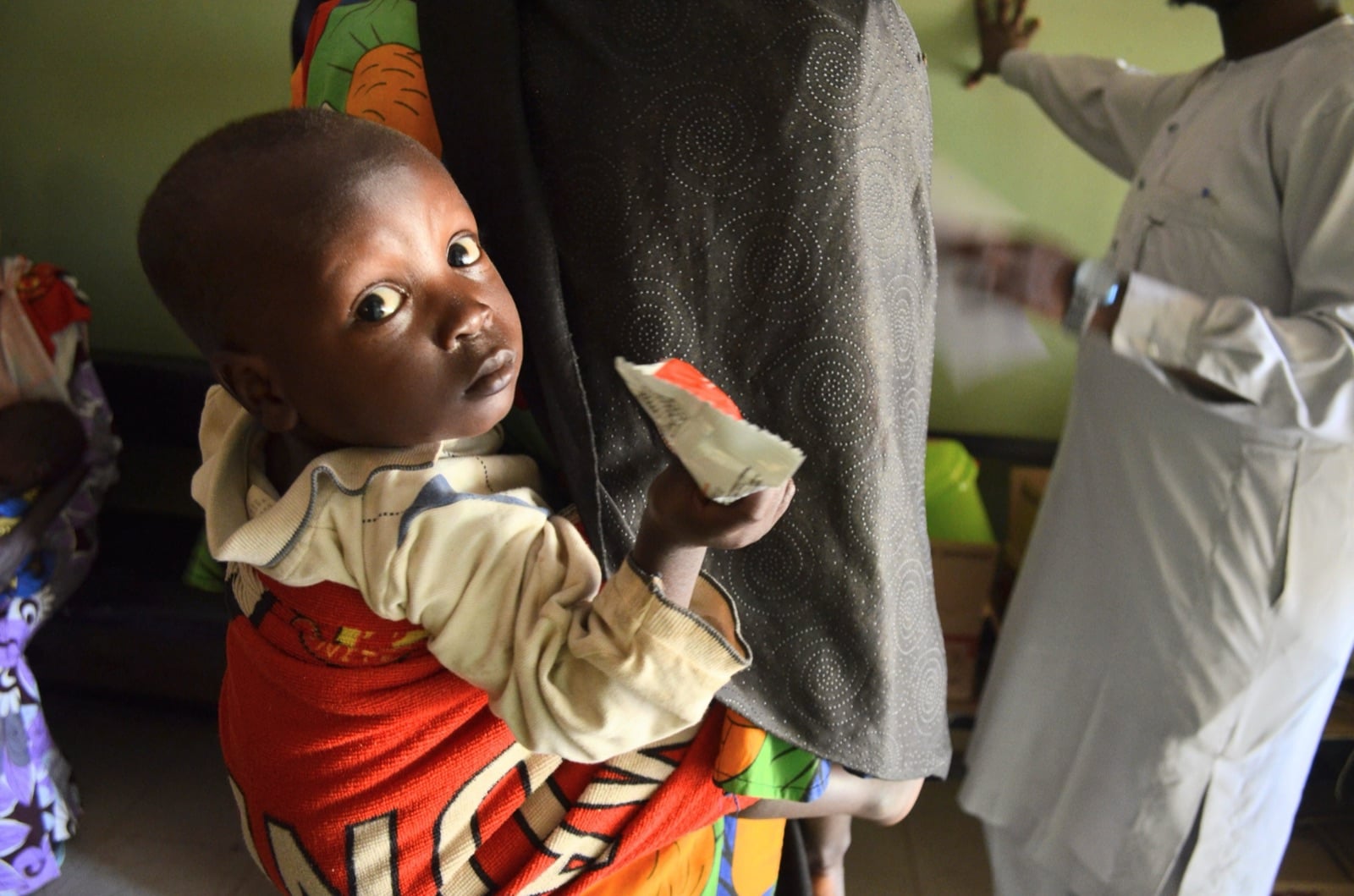
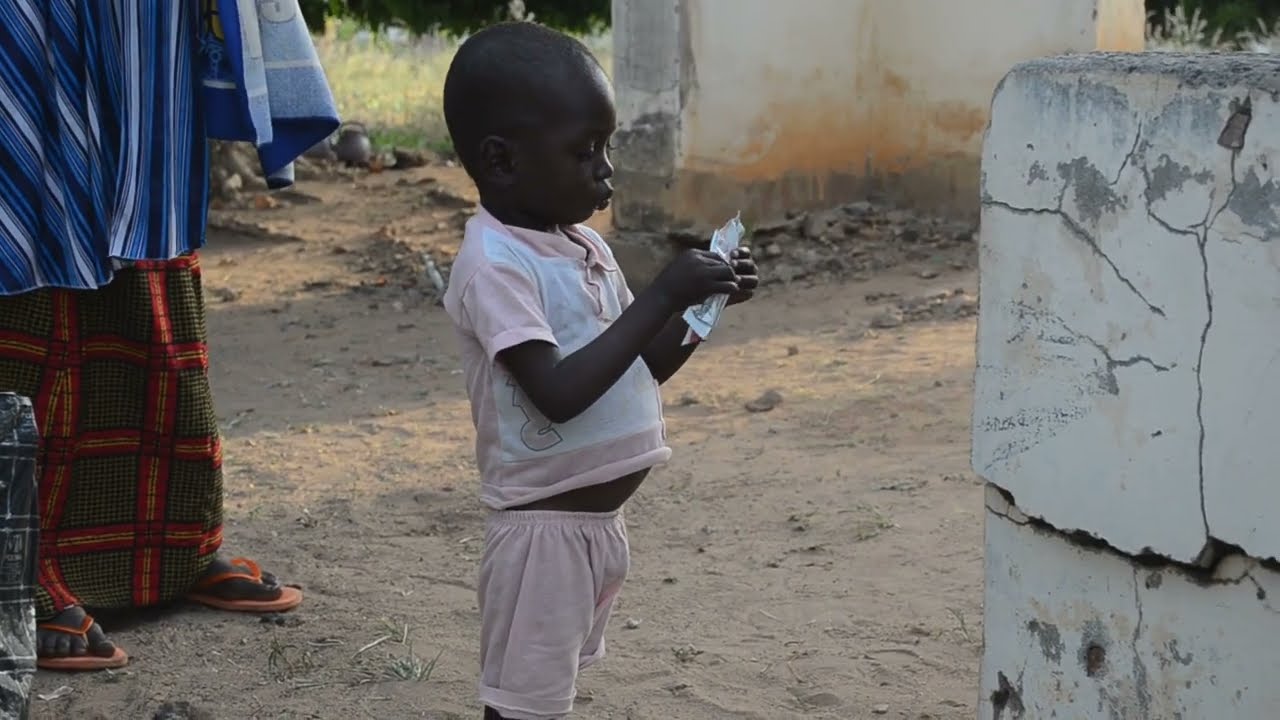
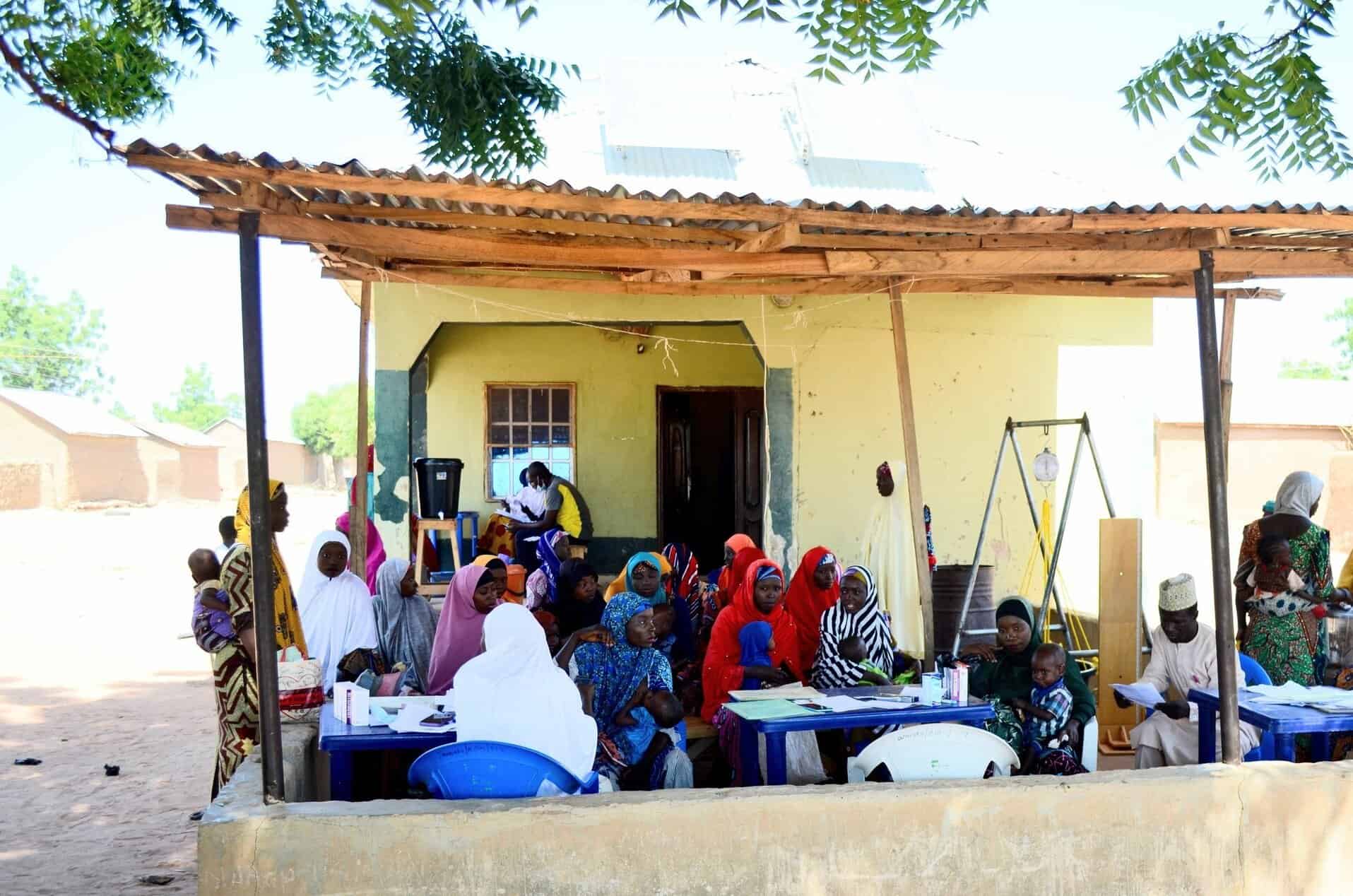
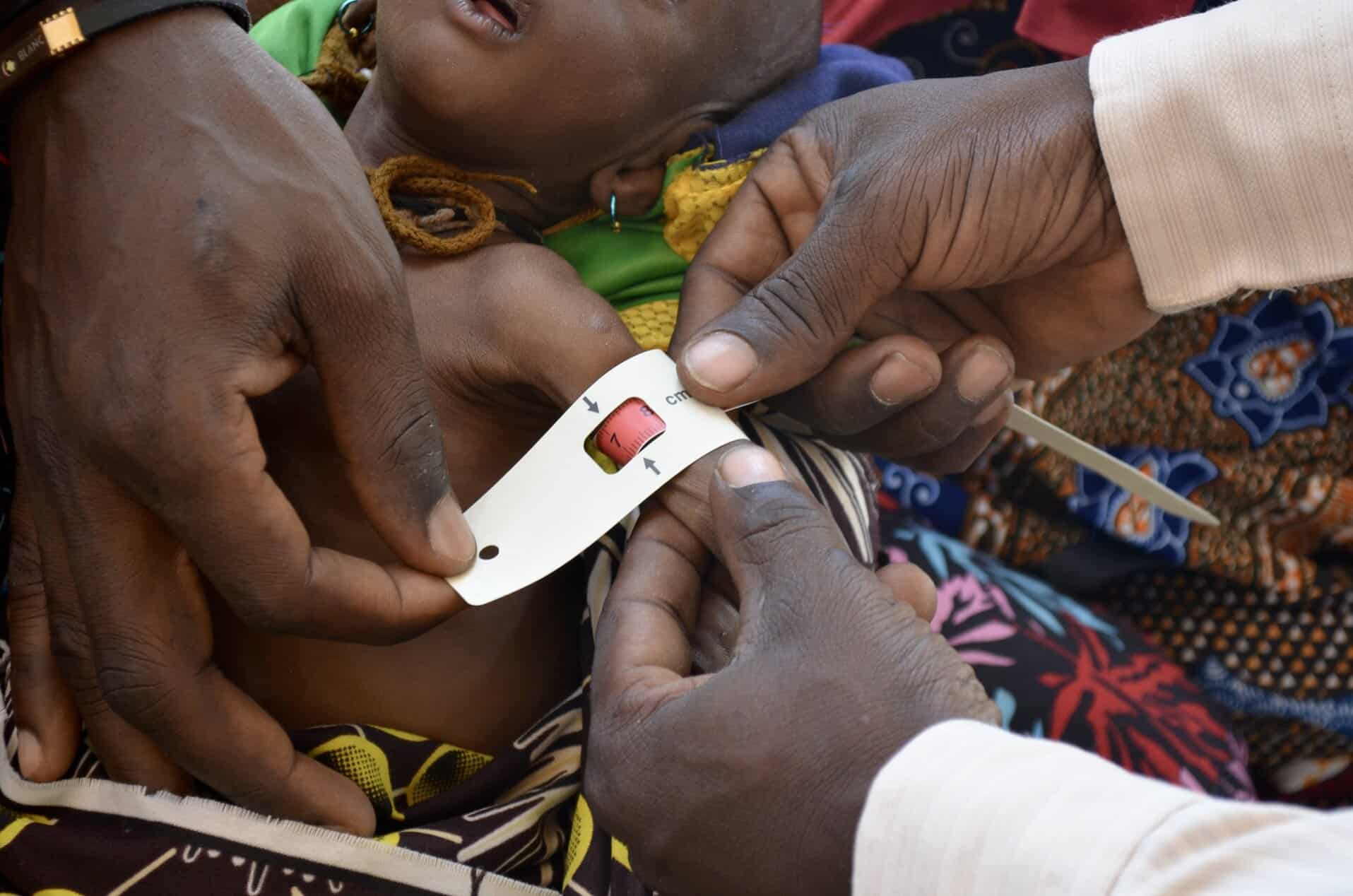
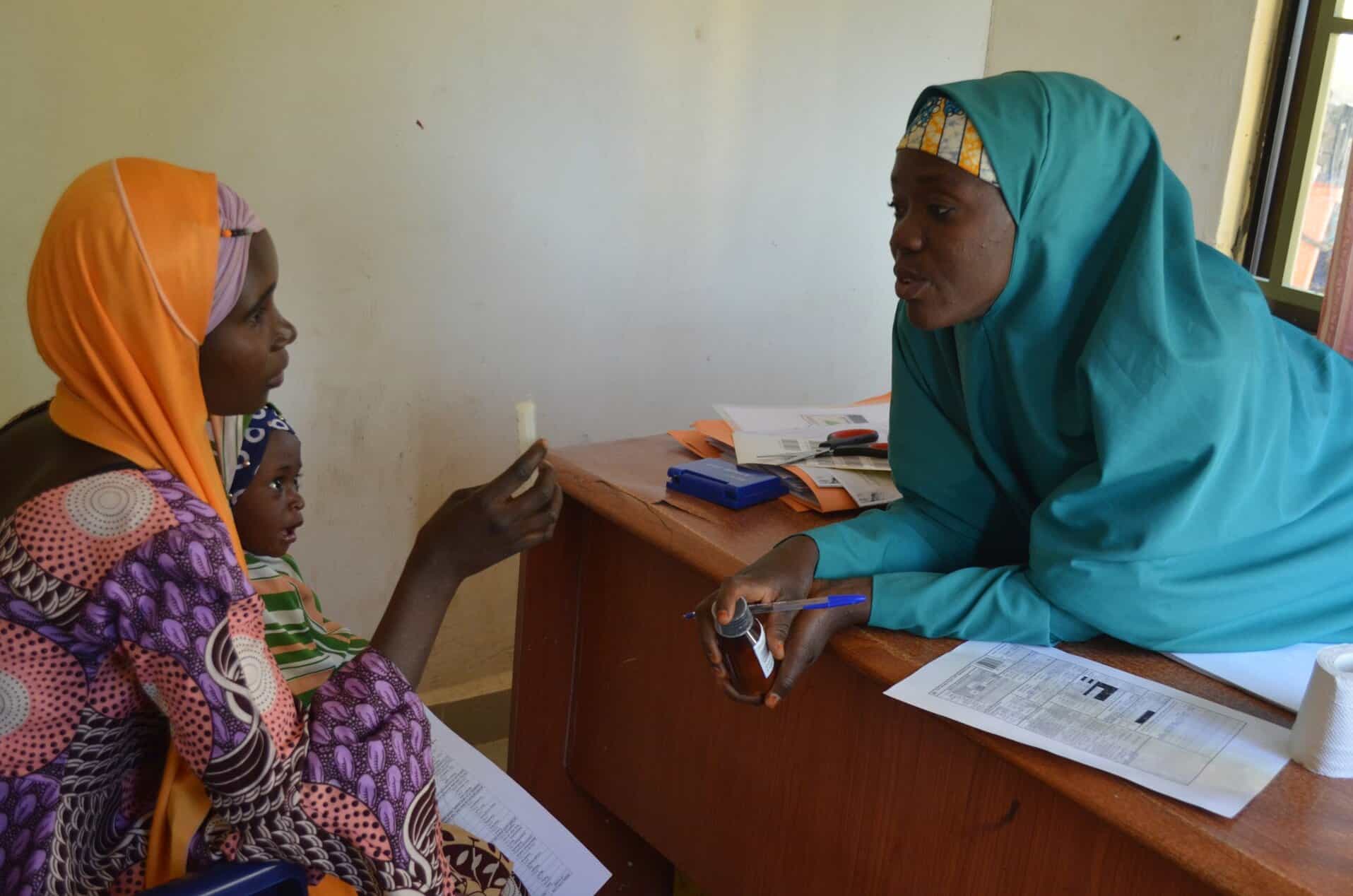
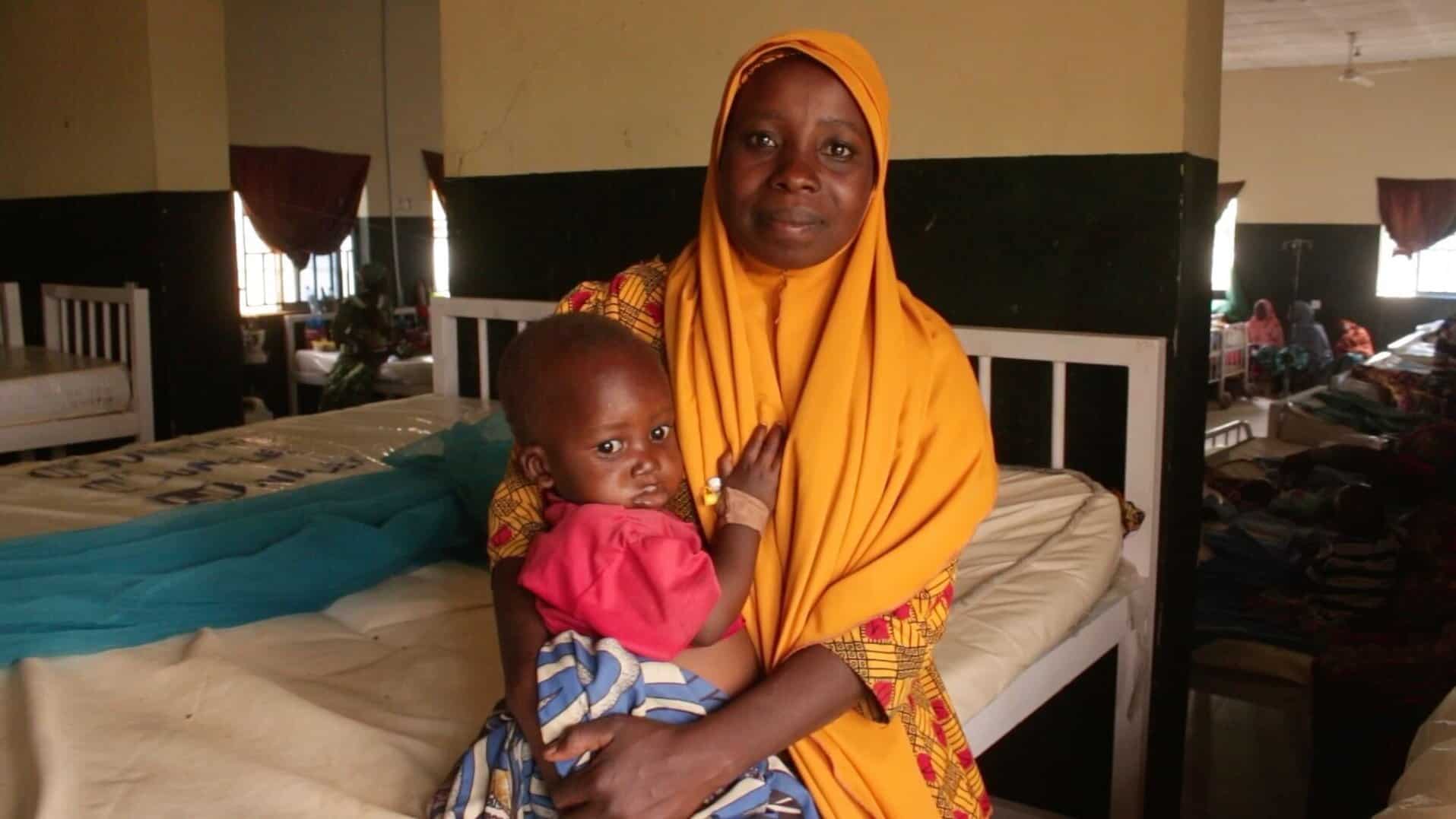
Taimaka treats children with acute malnutrition out of government healthcare facilities in Gombe State, Nigeria, using the gold-standard approach for low-resource settings: a nutrient-enriched peanut paste and basic medical care, delivered mostly by community health workers. They treated 4,352 children in 2024, and 95% recover. Read our interview with Taimaka.
Our research about Taimaka
- November 2024Our first evaluation of Taimaka We have one shallow report on Taimaka so far.
Frequently Asked Questions
Why isn’t the most cost-effective charity automatically a Top Charity?
We also weigh the quality of the evidence and the depth of our own review. When either is lower, we are less certain about the exact cost-effectiveness, and the estimate is more likely to move when new information arrives.
In our experience, cost-effectiveness estimates usually, though not always, go down under further scrutiny. Our Promising Charities have been analysed in less depth than the Top Charities, so we would expect their figures to fall somewhat on closer examination. We can’t point to the particular factors that would move them: if we could, we would already have adjusted the numbers.
Which recommended charities should I donate to?
If you are a donor who wants to be confident that your donation is making a real difference, we recommend donating to our Top Charities. We think our two Top Charities are roughly as cost-effective, so you might consider splitting your donation between them.
If you are comfortable with more risk and uncertainty but want to maximise the expected value of your donation, you might consider our Promising Charities. We think these are “higher risk, but potentially higher reward” options. If you want to donate to any of them, we recommend reading our full report so you are familiar with the uncertainties in our evaluation.
If you want to support all our recommended charities and HLI at the same time, you can donate to the Happier Lives Fund. 10% of your donation powers further happiness research, while 90% of your donation is disbursed quarterly to the charities with an allocation based on the latest available evidence to maximise overall impact.
What about saving lives?
Saving lives is good, but how do we compare it to improving lives? That depends on how bad we think death is.
Philosophers disagree. The Epicurean view says death isn’t bad for the person who dies, it is only bad for those left behind and any suffering before death. The deprivationist view adds that death is bad because it prevents future happiness.
This gets trickier with the neutral point: at what level of wellbeing does life become not worth living? This is important because many would argue that extending a life that has negative or neutral wellbeing is not a gain. For instance, would it be a good thing to save someone who will live under constant torture?
At HLI, we don’t take a stance on the best philosophical view or where the neutral point is – we don’t think there are good answers to these questions.
Our evaluations instead typically focus on improving quality of life rather than quantity.
Want to dig deeper? Check out our Elephant in the Bednet report which explores this topic in much more depth.
Note that this problem is not specific to the wellbeing approach. Any evaluator has to answer these questions, either implicitly or explicitly. Your healthcare system has to make decisions about comparing quantity and quality of life. Other charity evaluators, like GiveWell, answer this question by using subjective moral weights of how morally equivalent ‘saving an under-5-year-old’s life’ is to ‘doubling the income of someone’ (and other factors).
Do WELLBYs undervalue long-term changes?
First, it is important to note that a WELLBY is the integration of the wellbeing impact over time (i.e., wellbeing × years). WELLBYs are more than capable of capturing long-term benefits to individuals and we have already used them for this purpose.
This is about modelling the right thing, not about the WELLBY itself.
So, even for interventions that might seem short-term (e.g., psychotherapy and cash transfers), we have included long-term effects.
We have also modelled interventions with very long-term effects. For example, see our reports on parenting programmes that impact children well into adulthood or lead exposure reduction programmes that can alter childhood development and change people’s entire life paths.
Note that we don’t discount future WELLBYs. We value WELLBYs created in the future equally to present ones. If charities can show long-term benefits, we count them. We might reconsider this, if appropriate, but until now this is how we have operated.
Do you get money from the charities you recommend?
No.
We don’t take any money from charities for recommending them because this would remove our impartiality.
We exist because we want the world to be a happier place and, therefore, we think there should be a free, impartial source of information about which charities do the most for people’s happiness and wellbeing.
Is your question missing from this list? Contact us at hello@happierlivesinstitute.org.
Support the important work Taimaka does
A donation here pays for a child with acute malnutrition to be treated close to home, by trained community health workers.