

Mental health · psychotherapy
$25 = 1 WELLBY 40 WELLBYs per $1,000 donated · 5.3× GiveDirectly cash transfers
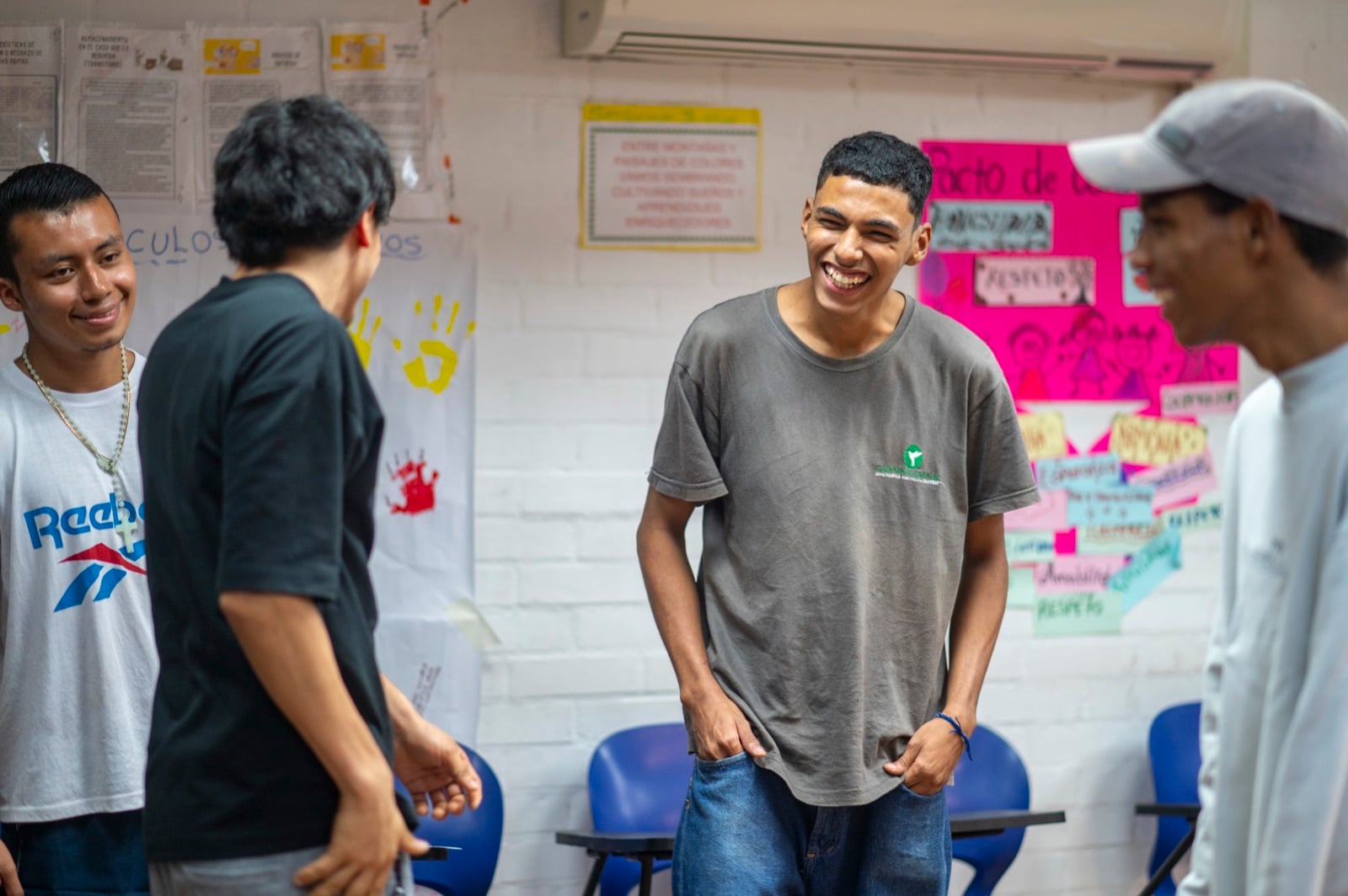
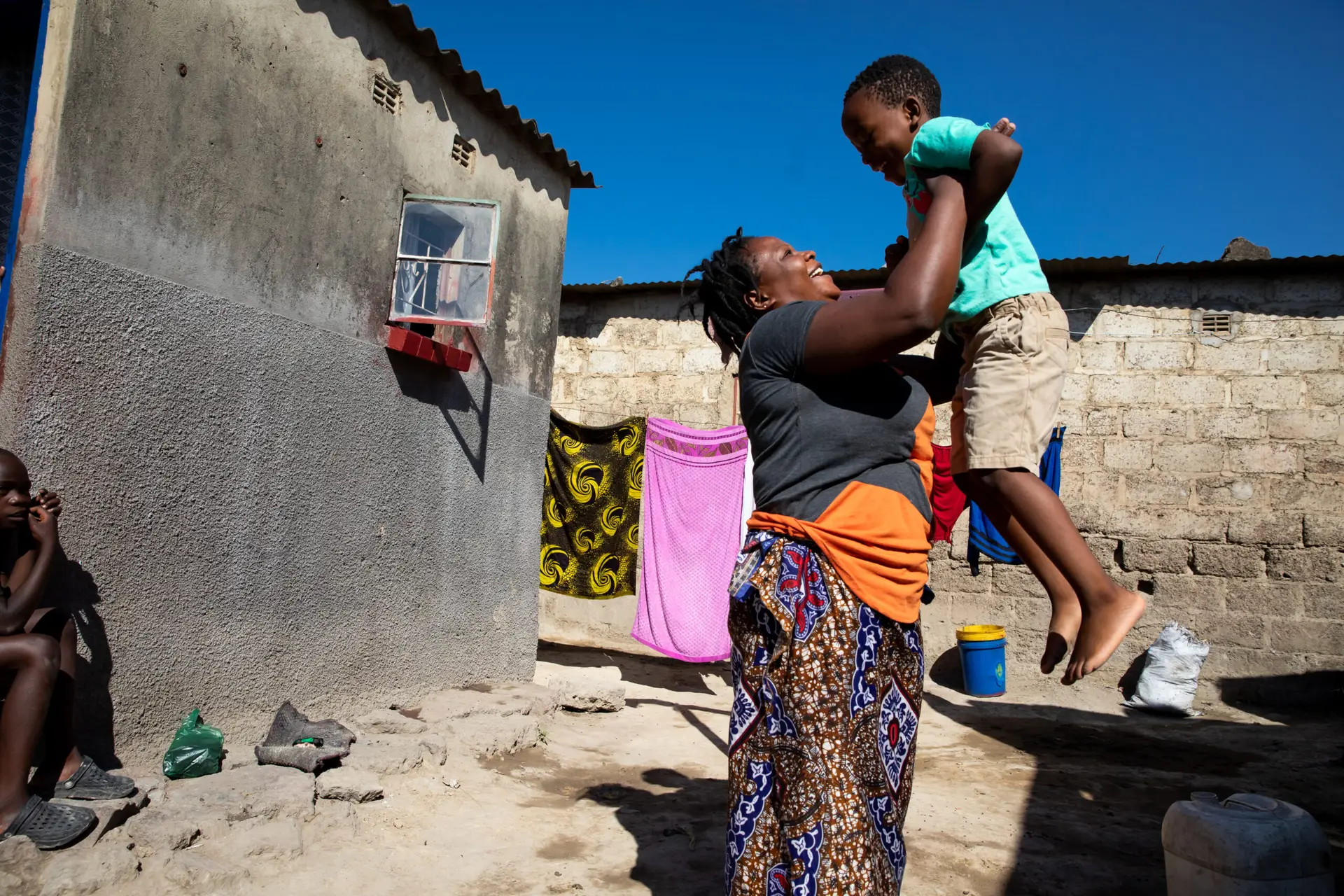
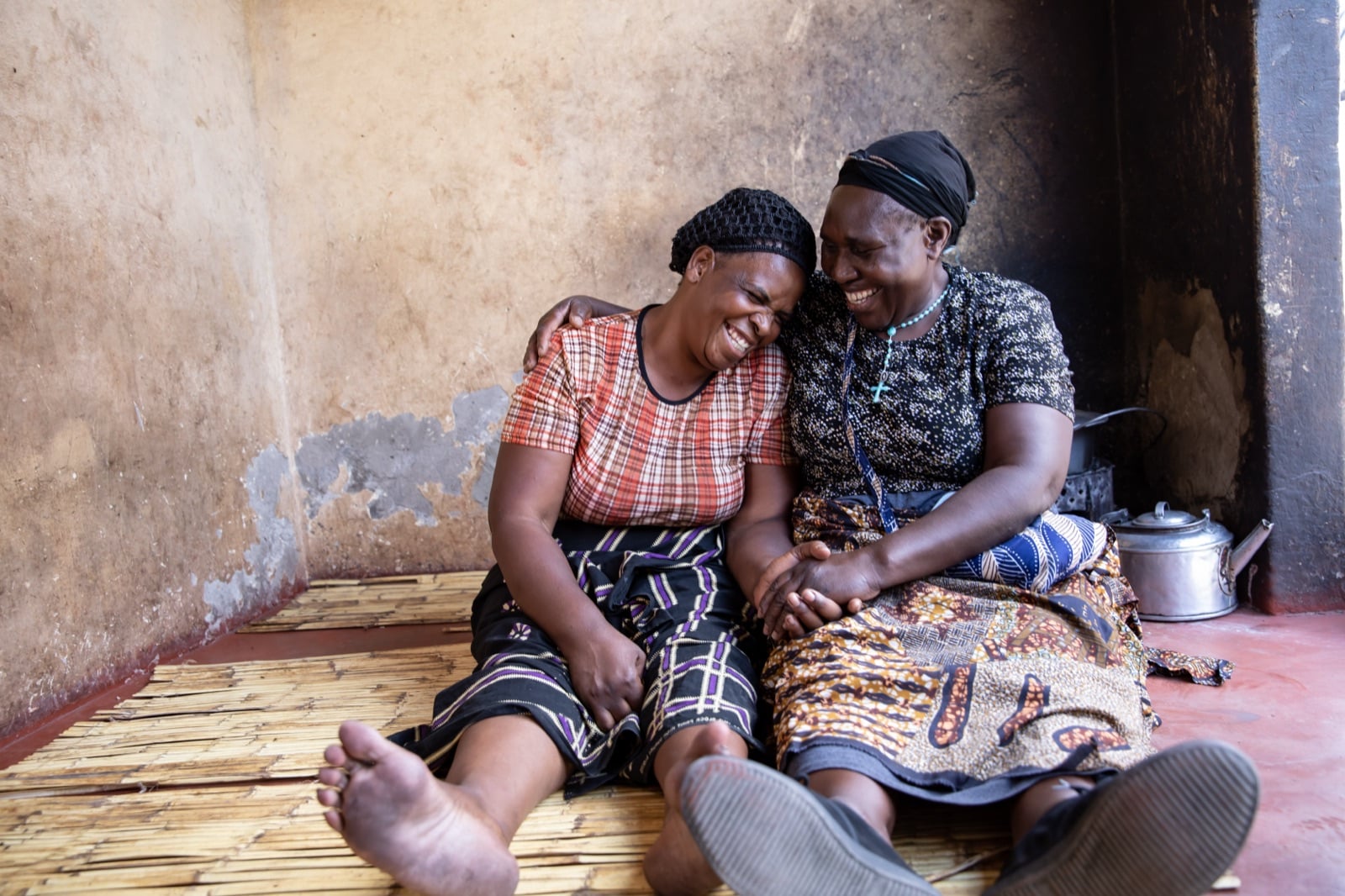
Treats depression by delivering group psychotherapy for free, primarily in Uganda and Zambia, where mental health services are severely underfunded.
The numbers and the evidence
WELLBYsOne WELLBY is equivalent to a 1-point increase on a 0-10 wellbeing scale for one year. Read more / $1,00040.37
Cost per WELLBYOne WELLBY is equivalent to a 1-point increase on a 0-10 wellbeing scale for one year. Read more$24.77
Cost per YODAA YODA is a year of depression averted. Read more$32.20
Effect per person1.80
Cost to treat one$44.56
Funding gap?How many donations the charity can absorb currently without it changing its cost-effectiveness$4.0M
vs cash transfers5.3×
What the evaluation rests on
- Our own systematic review and meta-analysis of 84 studies on psychotherapy
- A randomised controlled trial of StrongMinds' own programme
- StrongMinds' monitoring and evaluation data
Depth of analysis
In-depth. We spent over 1,000 hours completing 95%+ of the research we think is relevant.