

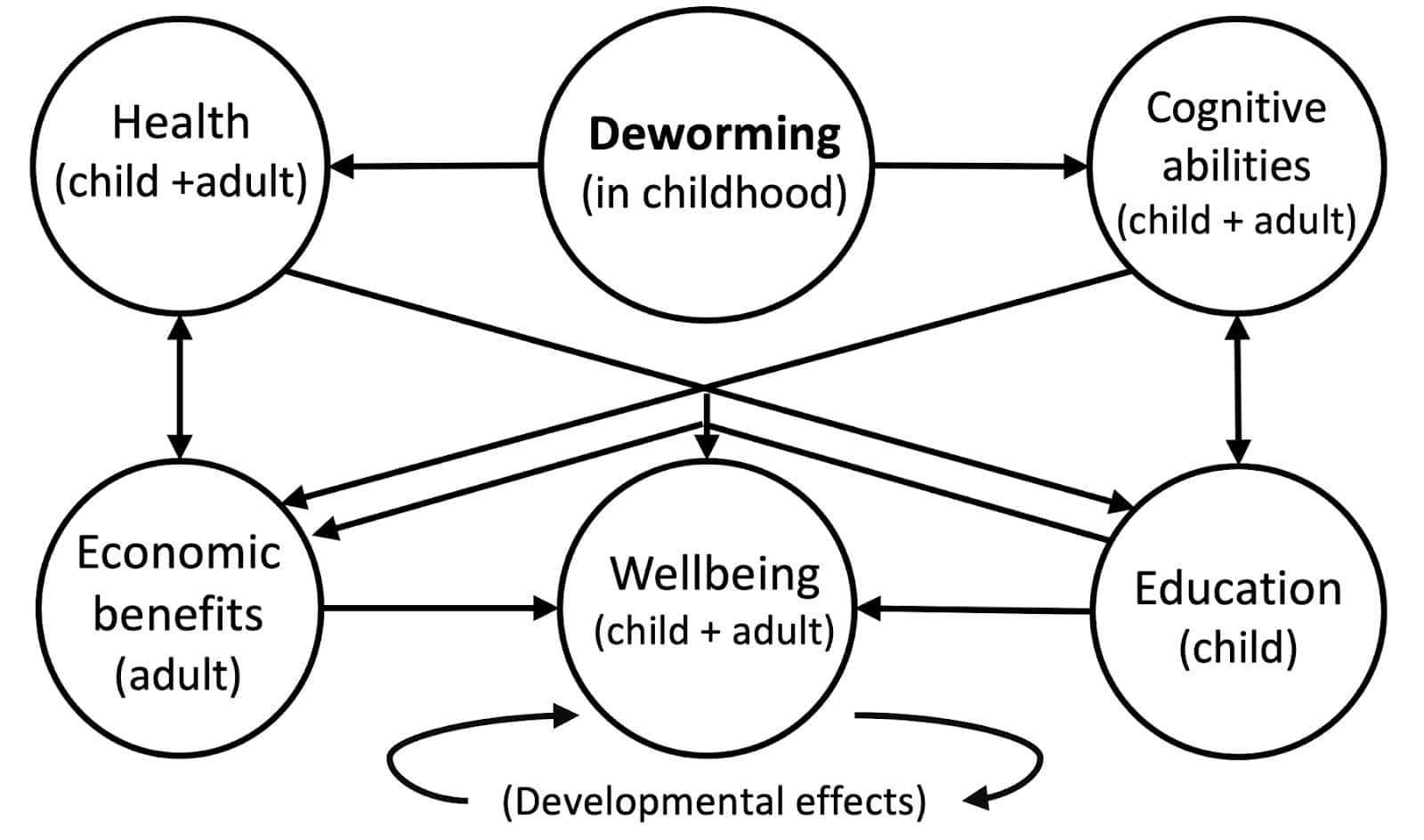
In this report, we summarise the debate about the efficacy of deworming, present the first analysis of deworming in terms of subjective wellbeing, and compare the cost-effectiveness of deworming to StrongMinds (our current top recommended charity). Download report as PDF Summary 1. Background and literature 2. Wellbeing analysis 3. Cost-effectiveness analyses 4. Our recommendation for […]
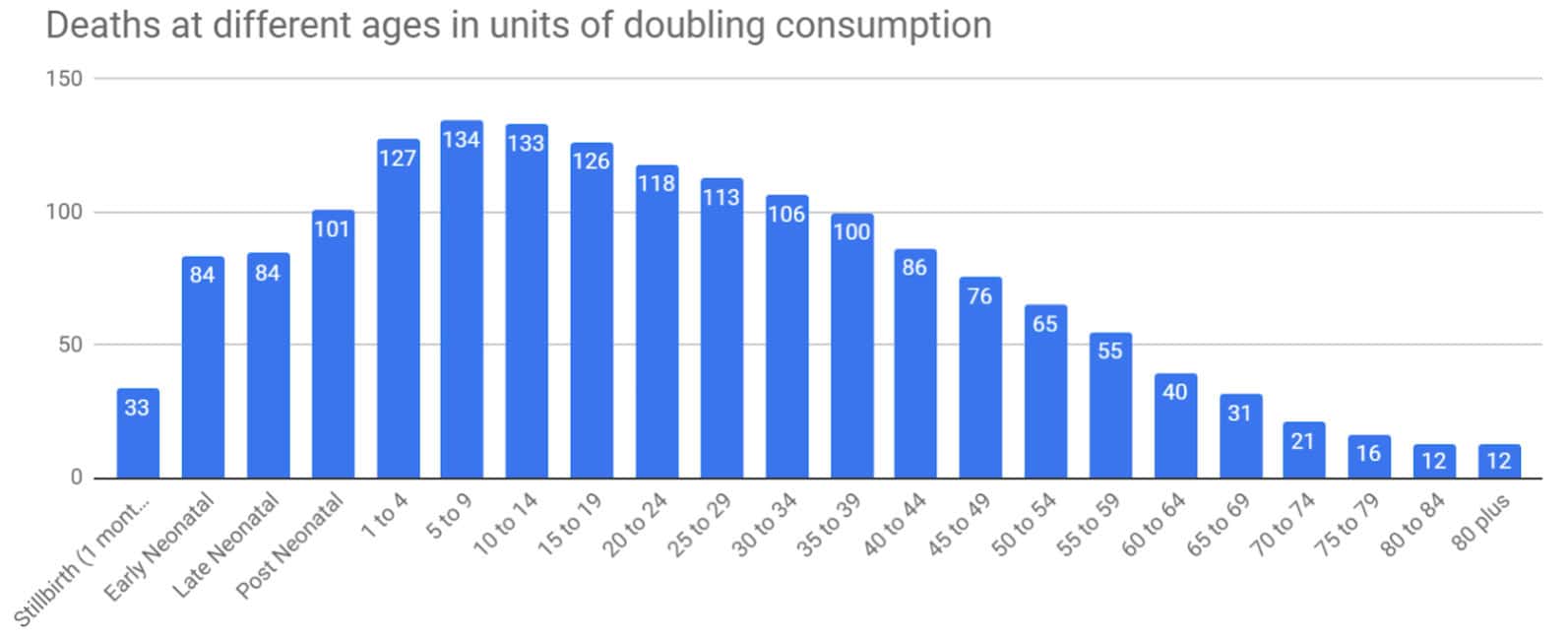
How should we compare the value of extending lives to improving lives? Doing so requires us to make various philosophical assumptions, either implicitly or explicitly. But these choices are rarely acknowledged or discussed by decision-makers, all of them are controversial, and they have significant implications for how resources should be distributed. Download report as PDF […]
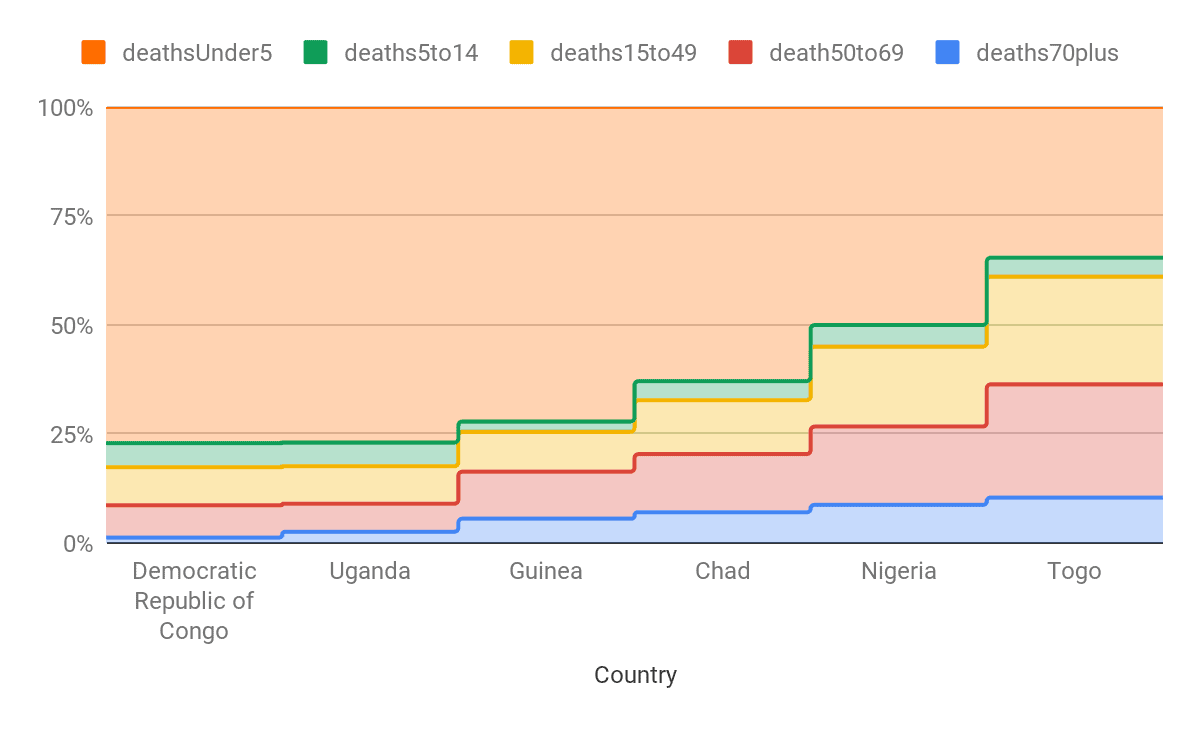
We raise twelve critiques of GiveWell’s cost-effectiveness analyses. Ten apply to specific inputs for malaria prevention, cash transfers, and deworming. Two are relevant for more than one intervention. Download report as PDF This essay was written for GiveWell’s Change Our Mind Contest Summary General methodology Malaria prevention Cash transfers Deworming Criticism about country-level analyses Conclusion […]
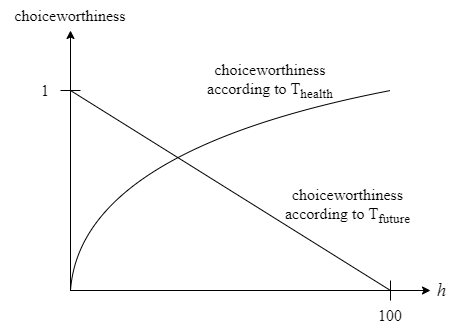
Given the current state of our moral knowledge, it is entirely reasonable to be uncertain about a wide range of moral issues. This paper considers the suggestion that appropriateness under moral uncertainty is a matter of dividing one’s resources between the moral theories in which one has credence, allowing each theory to use its resources […]
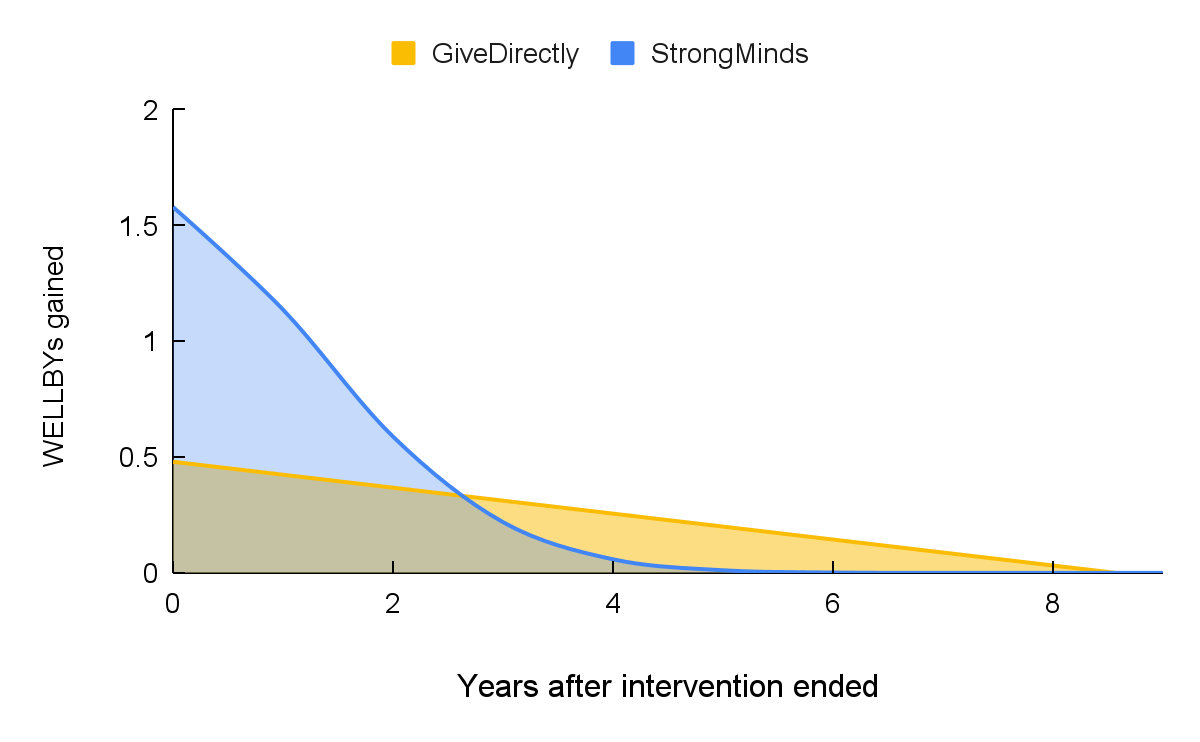
We propose the wellbeing-adjusted life year (WELLBY), the wellbeing equivalent of the DALY or QALY, as the obvious framework to do cost-effectiveness analyses of non-health, non-pecuniary benefits. Download report as PDF This essay was written for the Worldview Investigations category of Open Philanthropy’s Cause Exploration Prizes. Summary 1. The problem and a solution 2. How to measure subjective […]
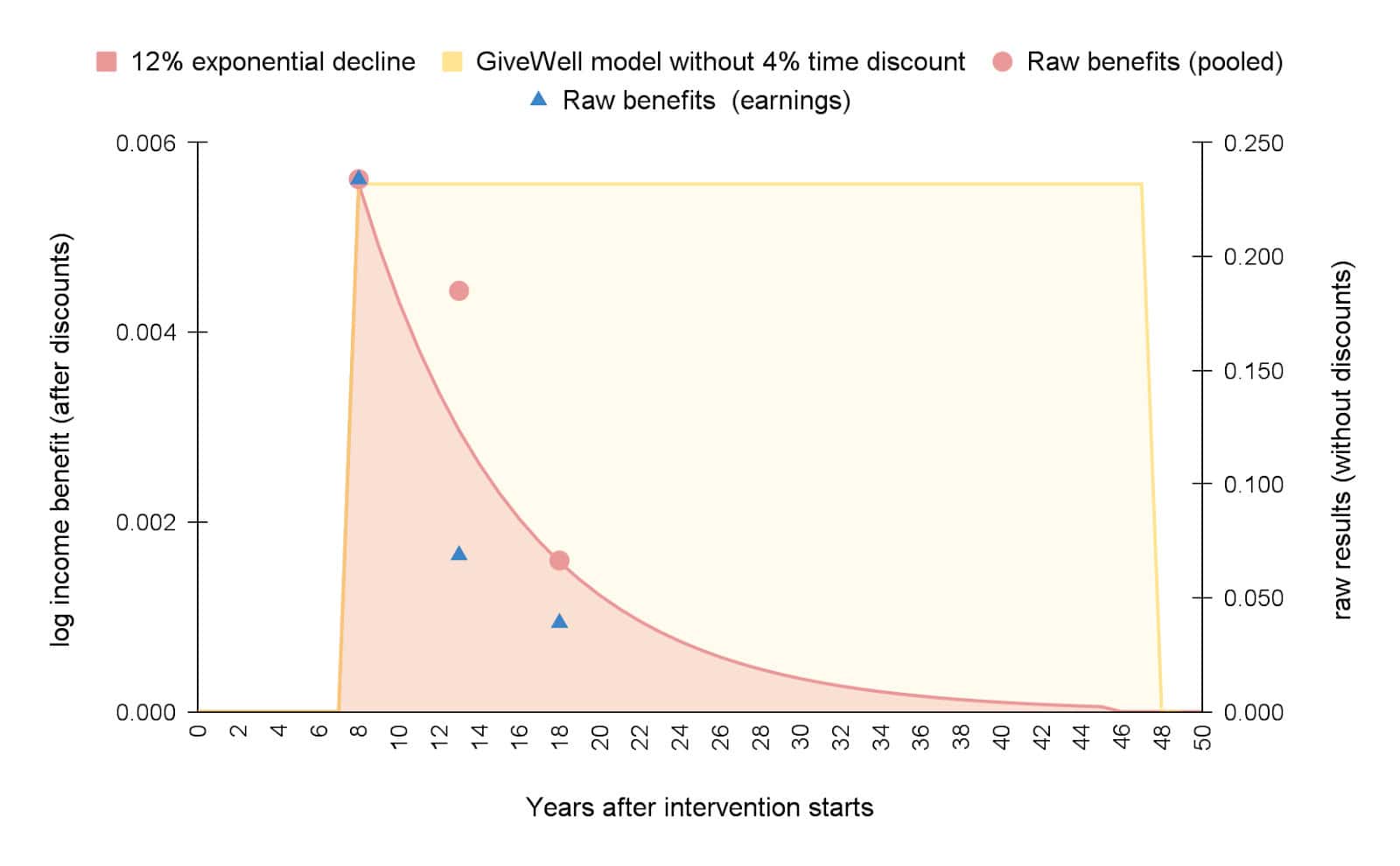
We make four recommendations to improve GiveWell’s cost-effectiveness analyses: (1) publicly explain and defend their assumptions about the effect of deworming over time; (2) explain their cost-effectiveness analyses in writing; (3) illustrate the sensitivity of their results to key parameters; (4) make it clear when an estimate is subjective or evidence-based. Download report as PDF […]